


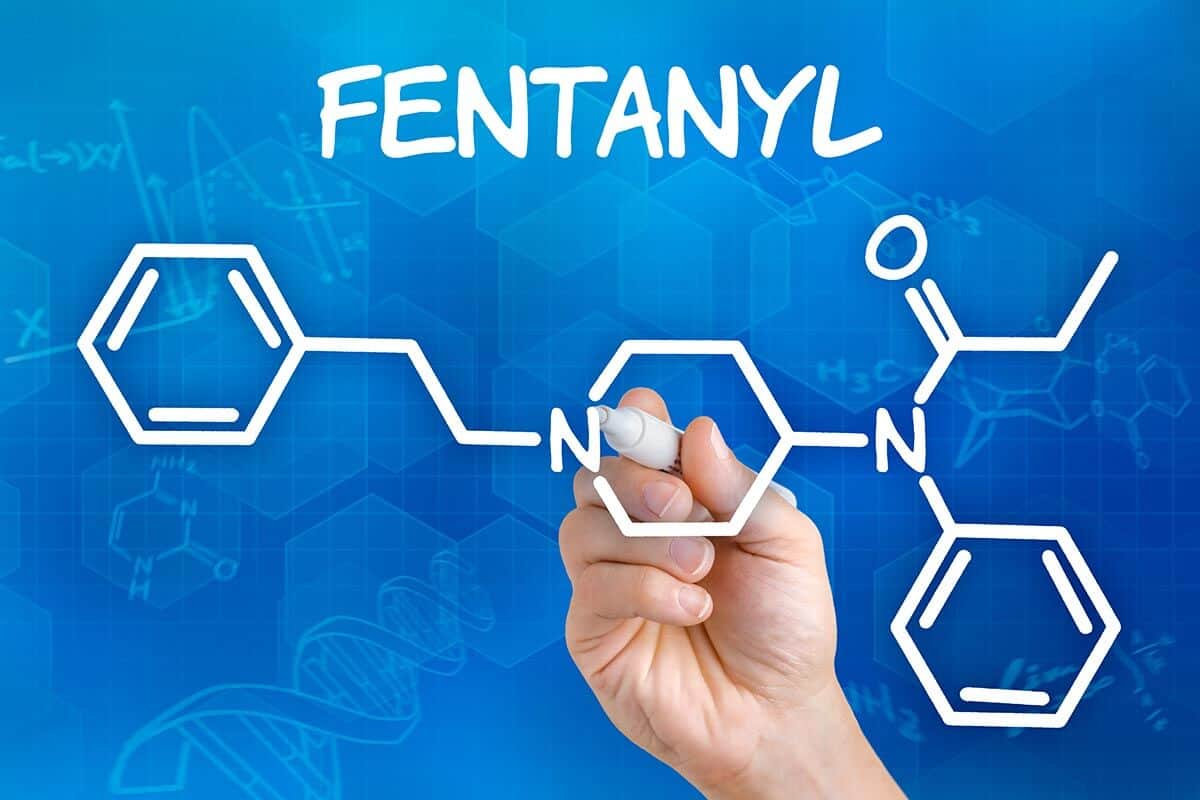
 Fentanyl or Fentanil is one of the most popular pain medications used for chronic, long-term, and severe short-term pain, such as when recovering from surgery or injury. The drug is a synthesized opioid, with an average of 50-100 times the potency of morphine.
As a result, fentanyl is also very common as a street drug, where it is used for recreational purposes, as well as for controlling pain in non-medical settings. In both cases, fentanyl is a dangerous drug which must be controlled and used with extreme care to prevent addiction or overdose.
A Short History of Fentanyl
Fentanyl was first synthesized in 1959 by Paul Janssen and marketed under Janssen Pharmaceutica, where it was made available as an injectable. By the 1990s, Janssen had developed a preliminary version of the now-popular fentanyl patch, quickly followed by the fast-acting fentanyl lollipop, spray, and tablets – all of which can be taken orally. While initially confined to medical use, Fentanyl was quickly adopted on the street because of its similarity to morphine and other opioids.
The drug is currently sold under brands including Sublimaze, Actiq, Durogesic, Fentora, Matrifen, Haldid, Onsolis, Instanyl, Abstral, Lanzanda, and many more. It is also manufactured illegally and sold as a street drug. In the United States, Fentanyl is a Schedule II controlled drug, illegal to use or sell without a prescription.
What is Fentanyl
Fentanyl is a synthesized opioid which agonizes the opioid receptors in the brain to create feelings of euphoria, lowered inhibitions, pain relief, anesthesia, and relaxation. The drug works very similarly to other opioids including heroin, morphine, Percocet, codeine, oxycodone, and more. However, with a
However, with a strength profile often more than 100 times the average dose of morphine, Fentanyl produces similar results in significantly lower doses. Some forms of fentanyl can be up to 10,000 times stronger than morphine.
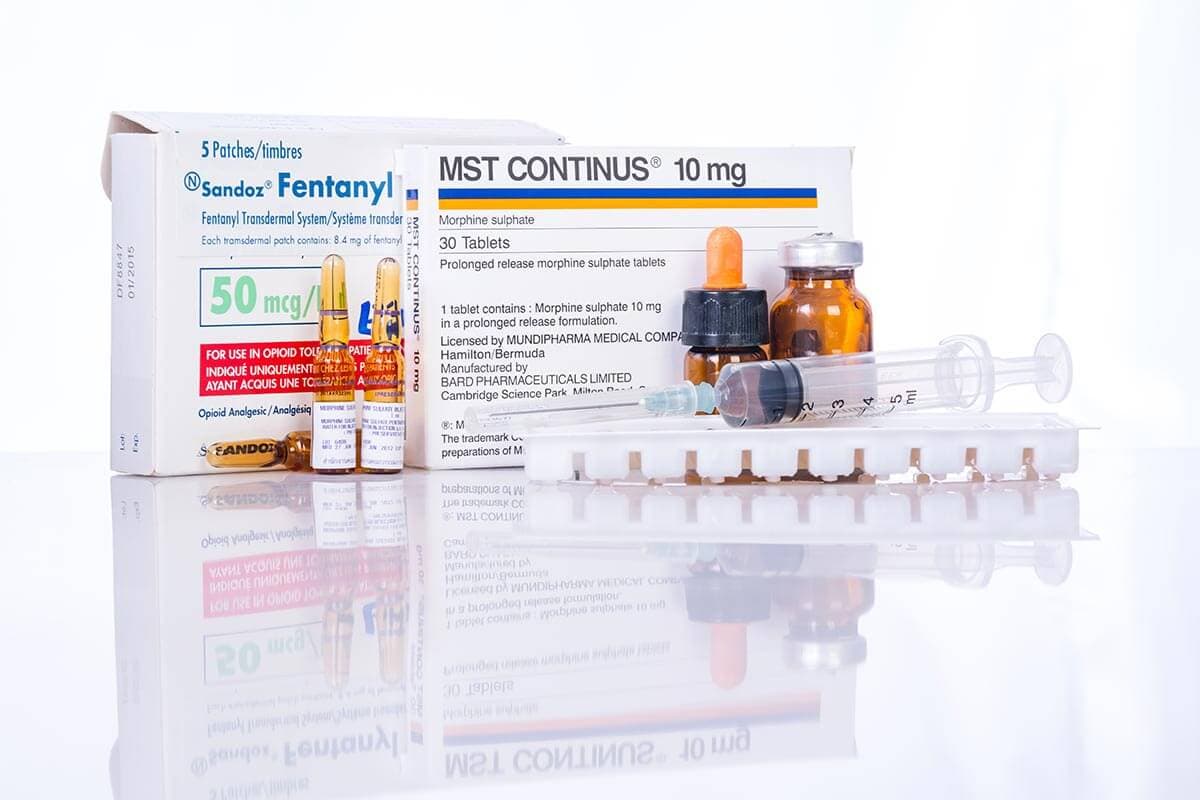 Medical Use
The World Health Organization (WHO) lists Fentanyl patches as one of the safest and most essential drugs available to modern medicine. In patch form, Fentanyl is relatively easy to control, available in very low doses, and able to control pain for long periods of time with minimal side effects or concerns for the user. This led to rampant prescriptions by medical professionals, and between 2010 and 2015, more than 6.5 million people received fentanyl prescriptions. Here, users receive patches, lozenges, or injections depending on their pain and the speed in which the fentanyl is required to kick in.
Today, fentanyl is prescribed more carefully, typically with a strong REMS (Risk Evaluation and Mitigation Strategy) to prevent or minimize chemical dependence in users.
Chemical Dependence and Addiction
Fentanyl is highly addictive, with a strong potential for abuse even when medically prescribed. Fentanyl meets every criterion as an addictive substance including drug tolerance, withdrawal symptoms on cessation of use, and increasing difficulty of cessation.
For example, many long-term Fentanyl users meet all 9 criteria for a substance use disorder, especially in non-medical settings where drug-use is not controlled.
- Taking the substance in larger amounts or for longer than intended
- Wanting to but being unable to cut down or quit
- Dedicating significant time or resources to acquiring the substance
- Substance cravings
- Allowing the substance to affect major obligations
- Continued use of the substance despite persistent social and relationship problems
- Reducing social activities because of the substance
- Using the substance in situations that become hazardous
- Acknowledging difficulties because of the substance and continuing to use it
As a result, many users become quickly addicted to fentanyl in the same way that they would to another drug such as morphine or heroin. Without the guidance and supervision of medical professionals, tolerance can increase quite quickly, which raises intake to beyond the ‘safe’ level.
In many cases, persons who are using fentanyl for a longer period for medical use and pain control will become chemically dependent. However, these people will typically have a REMS which will ensure that they are monitored, prevented from developing an addiction, and typically helped through the withdrawal phase by slowly reducing the fentanyl dose after they no longer need the medicine to control pain. However, some medical users still go on to become addicts.
Side Effects
Fentanyl causes euphoria, reduced pain, lowered inhibitions, relaxation, and drowsiness. However, it also causes a range of side effects which vary from mild to severe. For example, about 10% of all users (medical and recreational) suffer from diarrhea, constipation, and nausea. Others suffer more serious side effects such as respiratory depression, confusion, and constant drowsiness.
 Withdrawal
Fentanyl causes strong chemical dependence and any user, even in a medically approved setting, will experience withdrawal when going off the drug. Like other opioids, users are advised to avoid going cold turkey, as abrupt cessation of the drug can result in seizures and potentially fatal respiratory depression.
In most cases, withdrawal symptoms begin 12-30 hours after the final dose wears off, will increase for the first 72 hours, after which symptoms will gradually begin to decrease, before vanishing after 1-2 weeks. Symptoms include lethargy, sweating, restlessness, cold and flu symptoms, muscle pains and aches, stomach cramping, joint pain, insomnia, increased heart rate, respiratory problems, hypertension, and anxiety. These can range from moderate to severe and a heavy fentanyl user should seek out medical attention if possible.
Why is Fentanyl So Dangerous?
While Fentanyl mimics the effects of morphine and other opioids, it is significantly more dangerous. The primary reason is that Fentanyl is an average of 50-100 times stronger than morphine. Street versions of the drug, which are not regulated, can be as much as 10,000 times stronger. With no regulation, very little information, and often mislabeling, this results in a high rate of overdose and overexposure to the drug resulting in increased addiction.
Fentanyl is often sold cut or mixed with heroin, or sold as heroin or morphine, and thus used without the appropriate medical guidance. As a result, users take too much, too often, and either quickly become addicted or suffer from potentially deadly overdoses. In addition, because the strength of fentanyl can vary a great deal, even an experienced user can overdose on a batch that is more potent than what they are accustomed to. As a result, the CDC estimates that more than 5,000 people die of a fentanyl overdose each year.
Fentanyl Overdose
Many users accidentally overdose on fentanyl either by taking too much of the drug or taking it thinking that it is a less potent opioid such as heroin or morphine.
Users going into an overdose will show reduced breathing (heavily slowed), difficulty breathing, clammy skin, dizziness or lack of coordination, extreme sleepiness, contracted pupils, bluish lips, nose, or fingernails, and may pass out or become comatose. More importantly, because fentanyl is extremely strong, a standard dose of an anti-opioid drug like naloxone may not be enough to fully revive the person overdosing. For this reason, it is crucial to take someone suffering from an overdose to the hospital.
Before Accepting a Prescription
While fentanyl is prescribed to thousands of people each year, you may be concerned about your own health and the likelihood of addiction. You should always feel free to discuss your concerns and any possible alternatives with your doctor. This is especially true if you have a history of substance abuse, documented or not, or have a current or existing problem with substance use.
Getting Treatment for Addiction
If you or a loved one is suffering from an addiction to fentanyl or another opioid, there is help. With medically assisted detox, a professional treatment center can help your loved one to overcome their physical addiction safely. More importantly, they can follow up with therapy and counseling, using scientifically proven treatment to help addicts to recover emotionally and mentally while building the life skills they need to cope with stress and life without drugs.
Fentanyl is dangerous, highly addictive, and tiny doses of even 3 mg can cause an overdose. If you know someone who is abusing it, getting them help could save their life.
If you or someone you love is struggling with Fentanyl or any drug addiction, please call Lighthouse Treatment Center today. We are happy to provide a no-cost, no-obligation consultation with one of our experienced treatment advisors. Help is available today.































