Change the Patterns Behind Addiction

Cognitive Behavioral Therapy for Addiction

Cognitive Behavioral Therapy helps you recognize the thoughts, emotions, and behaviors that keep you stuck in addiction. Lighthouse integrates CBT throughout individual therapy, structured groups, relapse prevention, assignments, and real-time staff coaching, giving you repeated practice interrupting destructive cycles so you can make stronger decisions, manage triggers, and build the skills for lasting recovery.

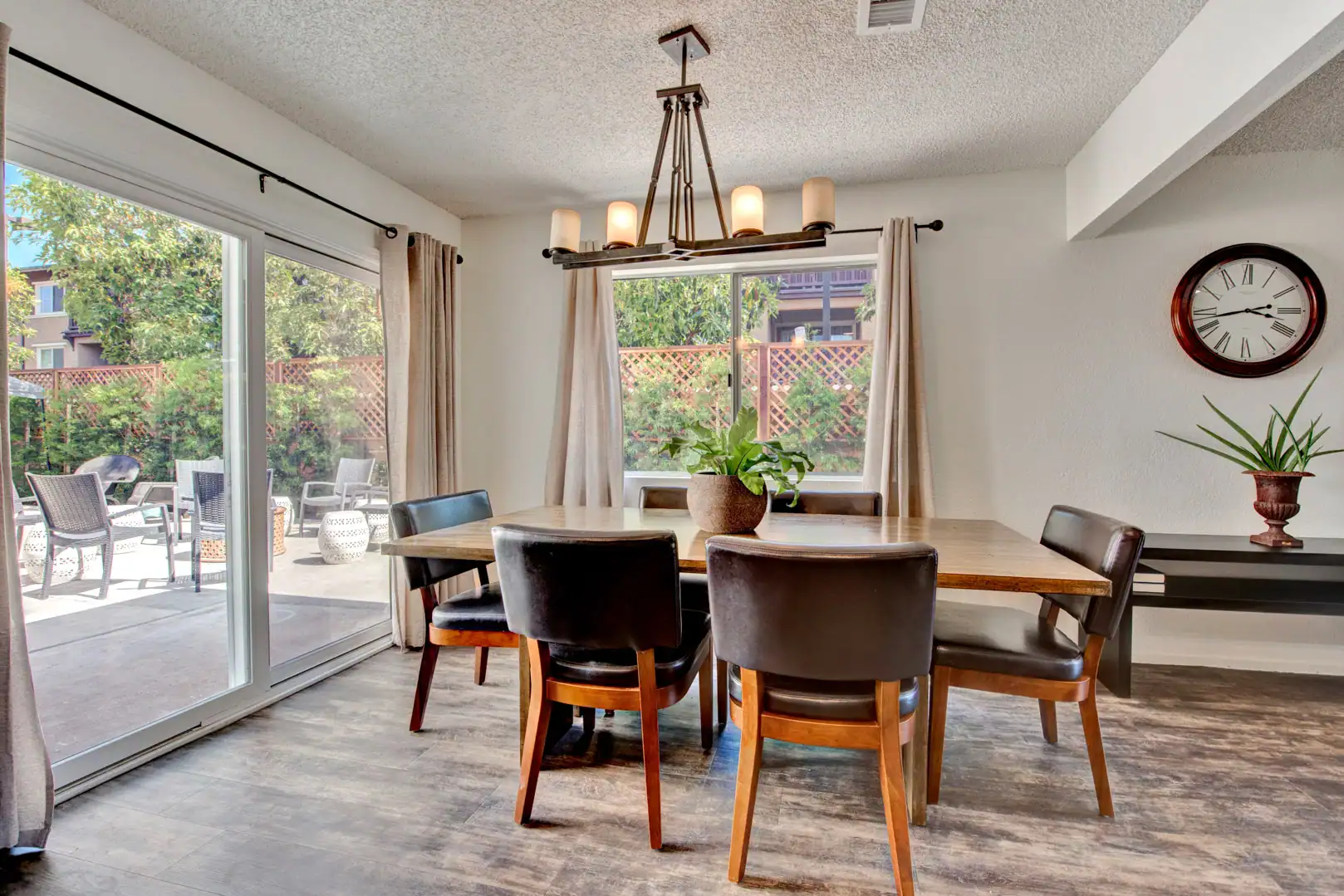
Residential Treatment dining room at Lighthouse Treatment in Orange County, CA

Featured Facility: Residential Facility

See the Pattern. Build a New Response.

How We Use Cognitive Behavioral Therapy

We turn CBT into a practiced recovery skill, embedding it across your personalized plan through individual therapy, structured groups, relapse prevention, and real-time coaching, so you can interrupt destructive cycles and build lasting freedom in recovery.

Benefits of CBT

Recognize unhelpful thought patterns

Build healthier coping responses

Improve recovery decision-making

Strengthen craving management

Reduce automatic reactions

Practice skills for everyday life

Helps With

Substance use disorders

Cravings and relapse patterns

Anxiety and depression

Trauma-related symptoms

Impulsivity and avoidance

Stress and emotional distress

“

This program is a blessing! I learned a lot about myself here and graduated with so many helpful tools to use in the real world. The staff here is amazing and very helpful, my counselor made sure I had everything I needed to succeed and gave me quality advice at any given time I needed someone to talk to.
This is a safe place to get yourself right.

”

- Tyler C.

How We Apply Cognitive Behavioral Therapy for Addiction

Challenge Unhelpful Thinking

Cognitive restructuring helps clients identify automatic or distorted thoughts, examine the evidence behind them, and develop a more balanced perspective. Therapists connect this work to cravings, stress, relationships, and relapse risk so each person can interrupt thinking patterns before they become harmful choices.

Map Triggers and Consequences

Functional analysis maps what happened before, during, and after substance use or another high-risk behavior. Clients examine triggers, thoughts, emotions, urges, actions, and consequences with a therapist or group. Seeing the full sequence reveals where a coping skill, planned response, or different decision can interrupt the cycle.

Practice New Responses

Role-play and behavioral rehearsal turn CBT concepts into usable recovery skills. Clients practice responding to cravings, offers to use, conflict, stress, and boundary challenges within a structured setting. Repeated practice builds confidence and makes healthier responses easier to access when similar situations arise outside treatment.

Frequently Asked Questions About CBT

Cognitive behavioral therapy for addiction is an evidence-based approach that helps you understand the connection between situations, thoughts, emotions, urges, behaviors, and substance use. When addiction has made certain reactions feel automatic, CBT gives you a practical way to slow the cycle down, recognize what is happening, and choose a healthier response. At Lighthouse, we reinforce CBT through individual therapy, structured groups, treatment planning, assignments, relapse prevention, and real-time skill practice so the work becomes something you can actually use when life gets difficult. If you are ready to understand the patterns keeping you stuck and begin changing them, Admissions can help you take the next step.

CBT for drug addiction and CBT for alcohol addiction helps you identify the thoughts, triggers, cravings, and behaviors that can pull you back toward substance use. For someone who has relapsed before, felt overwhelmed by cravings, or wondered why the same decisions keep repeating, that awareness can be a turning point. Our clinicians help you challenge relapse-driving thoughts, practice stronger coping responses, and prepare for high-risk situations before they happen. These skills are reinforced through Relapse Prevention, behavioral planning, problem-solving, and repeated practice throughout treatment. The objective is greater control, better decisions, and a stronger ability to protect your recovery when stress, conflict, or cravings show up. If this is the kind of change you need, speak with Admissions about the right level of care.

CBT is active, practical, and personalized to the patterns affecting your recovery. You may work through thought records, trigger logs, journaling, functional analysis, role-play, behavioral experiments, problem-solving, and recovery assignments. Individual therapy lets your clinician apply these tools directly to your history, beliefs, triggers, and goals. Structured groups add education, practice, feedback, and peer perspective.

One of the strengths of our approach is that CBT does not end when the therapy session does. Staff reinforce the same concepts during real moments of stress, frustration, avoidance, conflict, or craving, helping you practice healthier responses while the pattern is actually happening. CBT is integrated throughout Residential Treatment, PHP, and IOP. Admissions can help determine where your treatment should begin.

CBT focuses directly on changing the thought and behavior patterns that can keep addiction moving. Dialectical Behavior Therapy strengthens emotional regulation, distress tolerance, mindfulness, and relationship skills. Motivational Interviewing helps build readiness and commitment to change. Seeking Safety provides present-focused coping for trauma and substance use, while Mindfulness Practices help you recognize thoughts and emotions before reacting automatically.

Lighthouse brings these approaches together within one individualized treatment plan, giving clinicians multiple ways to address the different forces that can drive substance use and relapse. With more than 25 years of treatment experience and 25,000+ clients treated, our clinical model is built around applying the right tools to the right person at the right stage of recovery. Admissions can help you understand which level of care and treatment approach fits your needs.

CBT for substance abuse can be especially valuable if you keep finding yourself caught in the same relapse patterns, cravings, self-defeating thoughts, impulsive decisions, avoidance, or unhealthy coping behaviors. It can also support people dealing with anxiety, depression, trauma-related symptoms, stress, and emotional distress alongside a substance use disorder.

For families watching someone repeat destructive patterns despite wanting something different, CBT offers a structured way to understand what keeps happening and begin building new responses. Our clinical team adapts CBT to each client's assessment, emotional stability, cognitive capacity, stage of recovery, and treatment goals. If you or someone you love is struggling to break a cycle that keeps repeating, call Admissions and let us help identify the right path forward.

CBT is used throughout the level of care for as long as it continues to support the client's treatment goals. In Residential Treatment, clients receive frequent structure, repetition, and real-time reinforcement. Partial Hospitalization Program care increases the focus on applying CBT to outside stressors, relationships, and responsibilities. Intensive Outpatient Program work strengthens independent use at home, work, and in the recovery community. This progression matters because recovery eventually has to work outside the treatment environment.

Our goal is to help you move from learning the skill to recognizing the pattern and using the response on your own. Admissions can explain how the continuum works and help determine the appropriate starting point.

The real value of CBT is being able to use what you learn when recovery is tested outside the therapy room. Treatment helps you identify triggers, challenge relapse-driving thoughts, manage cravings, solve problems, and choose healthier responses during stress, conflict, relationships, work, and other real-life situations.

At Lighthouse, these tools are reinforced through assignments, role-play, relapse prevention, and real-time staff coaching so they become more familiar and easier to use independently. As you progress through PHP and IOP, your actual experiences become opportunities to refine those skills and strengthen your recovery plan. If you want treatment that prepares you for life after treatment, speak with Admissions about the right place to begin.

CBT is included within addiction treatment that is often covered by insurance. Lighthouse accepts 30+ commercial insurance plans, offers private pay options, and is Medi-Cal/DMC certified. Verify your insurance benefits or call Admissions to explore your treatment options and next steps.

Call Now For Program Availability

Contact admissions to learn about treatment and bed availability, or submit your insurance to verify coverage.

We Accept Most Insurance

Let insurance pay for rehab. We accept HMO, PPO, employer plans, and Medi-cal. Check your coverage for treatment fast and easy.


cignacarelonbeaconblue cross blue shieldanthemamerihealthaetnahighmarkcoresourcecignacarelonbeaconblue cross blue shieldanthemamerihealthaetnahighmarkcoresource
optumprovidencetriwestunitedhealthcarevalue optionsmolinamagellanmeritainmultiplanoptumprovidencetriwestunitedhealthcarevalue optionsmolinamagellanmeritainmultiplan
Verify Your Insurance

3 Easy Options to Get Started or Learn More

You Call Us

We are here to answer your questions. Learn about detox, treatment, costs, or anything else. Give us a call now.

We Call You

Complete this secure form to receive a fast response from our support team.

Name(Required)
I agree not to spam *(Required)

Verify Insurance

We accept over 30+ insurance types.
Confirm your treatment coverage fast & easy with our online verification system.


Verify Insurance Brands
Verify Insurance

What Our Clients Say About Us

We value the feedback from our many clients. We are proud of these success stories. Knowing we have made a positive impact on the lives of these individuals and families is most important to us.

Licensed, Certified, Accredited

Award-winning licensed facilities. Certified by adhering to rigorous guidelines.
We exceed quality standards with safe & effective healthcare services.

ccapp dhcs carf legit county ochealth samhsa