


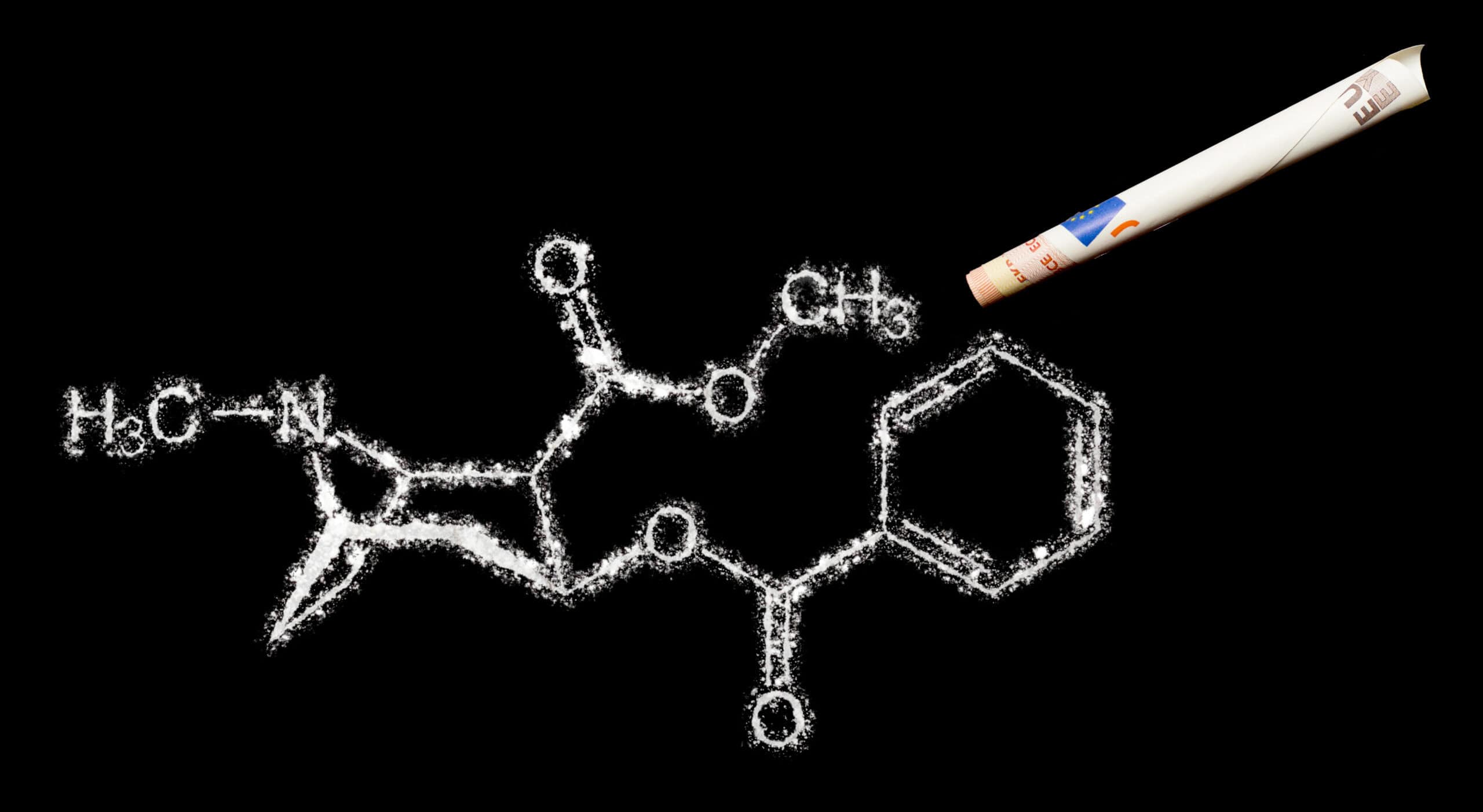
When it comes to addiction in the United States, two substances get a lot of attention: meth and crack. Meth, short for methamphetamine, is a stimulant that can be smoked, snorted, injected or ingested. Crack, on the other hand, is a solid form of cocaine that has been chemically processed to produce rocks or crystals for smoking.
These two stimulants are super addictive and can seriously mess with your physical and mental health. Maybe you’re wondering: What is worse, crack vs meth?
How are these drugs the same? How are they different? In this post, we will look into some key differences and similarities between meth and crack.
Chemical composition
Meth is a synthetic mixture of chemicals, sometimes including pseudoephedrine – a common ingredient in cold medicines. As it is man-made, the methamphetamine production process is unregulated and can vary widely, making it highly dangerous. Often, harmful chemicals are used in creating meth, including battery acid, drain cleaner, or even rat poison.
In contrast, crack is the crystallized form of cocaine, derived from the coca plant. Crack is produced by dissolving powdered cocaine in a mixture of water and baking soda, which is then boiled to create solid “rocks”. This process enhances the strength of the drug and alters its structure.
Appearance
Meth comes in several forms, including liquid, powder, and the well-known solid form known as crystal meth, which has a glass-like appearance and can be almost bluish.
Crack cocaine typically appears as off-white nuggets, with coloration that can range from white to yellowish or brown, depending on purity and the substances used in its production.
Both are stimulants
 Meth and crack are both stimulants that act upon the central nervous system. There are different ways to use these substances. Meth can be snorted, smoked, injected, or taken in pill form. Crack is mainly smoked, but powder cocaine, which is used to make crack, can be snorted.
Both methamphetamine and crack cocaine produce intense short-term effects that impact users almost immediately.
Meth can lead to a rapid increase in heart rate and blood pressure, excessive sweating, extreme alertness, reduced appetite, and a surge in energy and euphoria, often referred to as a “rush”. This can also result in aggressive or erratic behavior, anxiety, and panic attacks. There’s an increased risk for unpredictable and dangerous behavior due to the drug’s impact on judgment and inhibition.
Crack cocaine, much like meth, induces a swift and potent high. It provides the user with feelings of euphoria, heightened energy, and mental alertness. In the short term, crack can also cause increased heart rate, muscle spasms, and convulsions.
In some cases, crack use can also result in violent or aggressive behavior. It may lead to long-term health problems like acute cardiovascular or cerebrovascular emergencies, such as a heart attack or stroke, which can result from a single use.
Duration of high
 One of the most striking differences is the duration of their highs. A meth high can power a user for up to 16 hours. Meth can cause increased wakefulness and physical activity, and its effects can last for hours, depending on the dose.
Crack provides a short-term, intense high that elevates the user’s blood pressure and energy levels. Yet, tragically, this fleeting rush lasts only a few minutes. The high from crack cocaine is brief, typically subsiding after just 15 minutes, prompting users to take more of the drug to maintain the high, which can lead to addiction.
Addictive potential
Questions like “How addicting is meth vs crack?” often arises. Some people think meth is more addictive than crack or vice versa. But in reality, both drugs are highly addictive stimulants. The National Institute on Drug Abuse warns of the high risk of addiction.
The intense and short-lived highs of crack may lead to a more compulsive use pattern as users chase the euphoric rush over and over again. On the other hand, meth’s longer duration of action can create an extended cycle of use where the drug is taken for days on end to avoid coming down.
Alarmingly, some people choose to use both drugs together, increasing the chances of health issues and withdrawal symptoms. Combining two or more drugs can be even more dangerous and addictive than using a single substance.
Addiction treatment
 Despite their powerful and destructive addictive potential, both crack and meth addiction are treatable. Treatment options range from inpatient programs to cognitive-behavioral therapy, aiming to restore a life derailed by addiction.
If you or someone you know is addicted to crack or struggling with meth addiction, know that you’re not alone, and help is available. The Lighthouse Treatment Center offers comprehensive addiction treatment tailored to each individual’s needs, providing the support necessary to reclaim health and well-being.
Remember, acknowledging the need for help is the first step. Whether it’s meth addiction or crack dependence, effective treatment options are available to guide you toward recovery and a healthier, drug-free future.
If you’re seeking addiction treatment or require more information on how to assist someone dealing with substance abuse, don’t wait. Reach out to the Lighthouse Treatment Center today and take a pivotal step towards healing and freedom from addiction.































