



Drug overdoses are on the rise in recent years, with drug abuse being a leading cause. In 2020, the Center for Disease Control and Prevention reported that drug overdose deaths in the United States hit the highest number ever recorded in a 12-month period at 93,000 deaths. Opioids are some of the major contributors to these overdose deaths.
Opioids are used to treat pain, but they can also be addictive and deadly if taken improperly. Opioid overdoses often happen when people take more than prescribed or use them for another reason. Opioids are especially dangerous because of how quickly they work and a person can overdose even unintentionally. When you abuse opioids, this can depress the functioning of the central nervous system and negatively affect the heart and respiratory functions which could lead to a fatal overdose.
What Kinds of Opioids Cause a Drug Overdose?
There are many different types of opioids with varying strengths. Unfortunately, all types of opioids can cause an overdose when abused. Some of the most commonly abused opioids include heroin, oxycodone, codeine, morphine, hydrocodone, buprenorphine, and methadone. But one of the most dangerous that often causes a drug overdose is the synthetic opioid called fentanyl.
A lot of people who experience a drug overdose are not even aware that the opioids they are taking are laced with fentanyl. That’s because many illicit drug dealers and manufacturers lace common opioids with fentanyl to make the drugs more potent while making more money as fentanyl is cheap. The problem with fentanyl, however, is that it is very strong that even a minuscule amount can cause overdose or death. When a person who is used to taking a certain amount of drug like oxycodone suddenly takes a drug laced with fentanyl, this can lead to an overdose.
How to Spot Signs of an Opioid Overdose?
A common question for people using opioids or loved ones of people who use this drug is how to determine if someone is suffering from an opioid overdose. How do you know if someone is overdosing? Opioid overdose can be identified by several signs.
An opioid overdose can be identified by checking for three primary signs. These symptoms are known as the Opioid Triad. A person experiencing this triad of symptoms with a history of opioid use is most likely overdosing on the drug. These three symptoms are:
- Pinpoint pupils – A person overdosing on opioids will have extremely small pupils.
- Respiratory depression – Slowed breathing or stopping of breath entirely.
- Loss of consciousness – A person overdosing on opioids will seem unresponsive or unable to be woken up.
Aside from these symptoms, other additional signs of overdosing on opioids may include the following:
- Limp body
- Clammy skin
- Pale face
- Bluish purple skin tone for lighter-skinned people or greyish skin tone for darker-skinned people
- Erratic or slow pulse
- Vomiting or choking sounds
- Unable to talk
What to Do in Case of an Opioid Overdose?
You’re at a party or out on the town with friends and suddenly somebody is experiencing an opioid overdose. It’s a scary thing to think about, but it could happen. What should you do? There are some things you can do to help get them through until emergency personnel arrive.
If you are ever in a situation where someone is overdosing on opioids, the most important thing is to act fast. Here are the steps that you can follow if you suspect an opioid overdose happening.
 1. Call emergency services immediately
Calling 911 ASAP is the most important thing you can do. Many people think twice about doing this for fear of getting in trouble with the law but this hesitation can cost a life. Contact emergency services and report the drug overdose. Make sure to provide clear instructions on your location and avoid screaming or panicking.
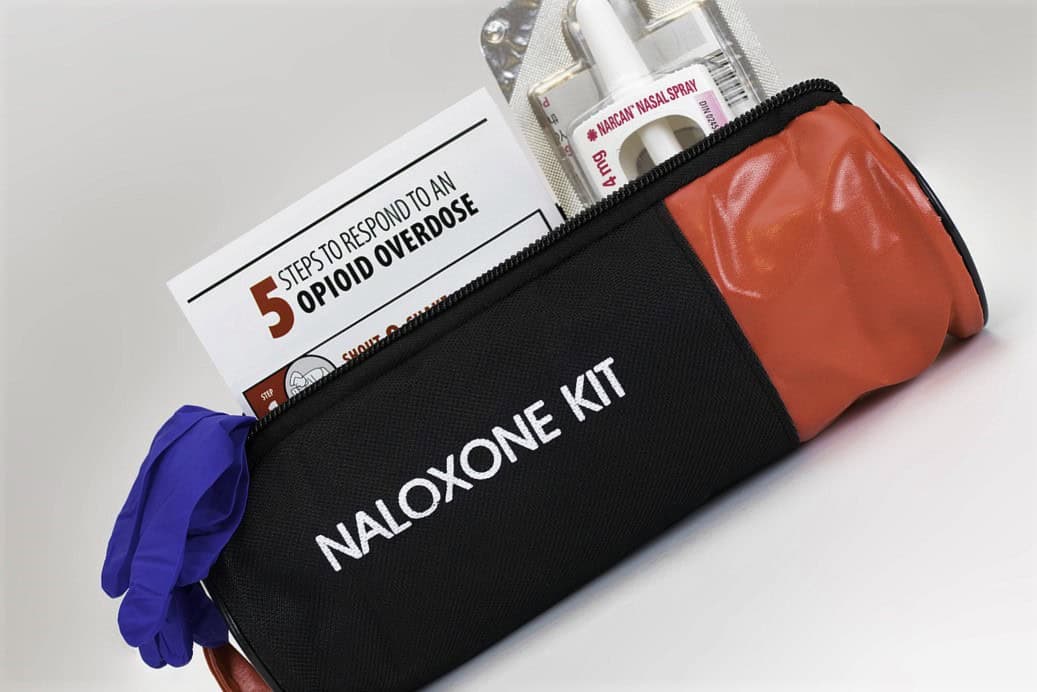
2. Administer Naloxone if available
Naloxone (Narcan) is an opioid antagonist. If this is available and you know how to use it, administer it to the patient immediately. It is advisable to have this always on hand if a loved one is on prescription opioids.
3. Check the person’s breathing
If the person is not breathing, try to administer mouth-to-mouth. Pinch the person’s nose and blow air into the mouth. Try to rouse the victim if still unconscious.
4. Stay with the victim
Do not leave the victim alone until emergency services arrive. Always check the victim’s breathing while waiting.
If you or a loved one is struggling with substance abuse, help is available.
Contact Lighthouse Treatment Center today.































