


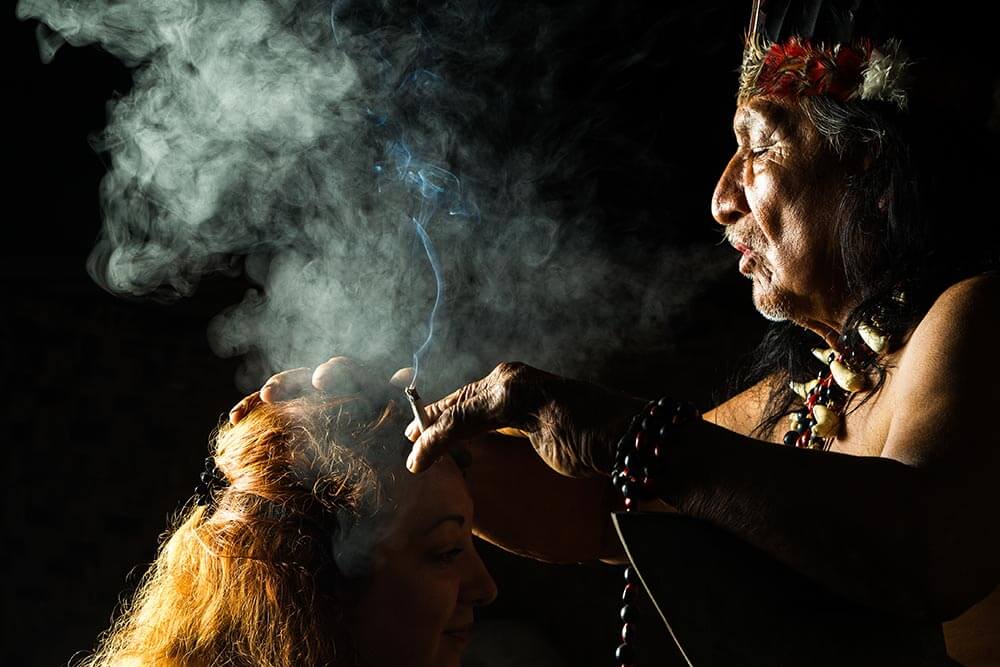
 Ayahuasca is a psychoactive entheogenic drink brewed from the ayahuasca vine and other psychoactive ingredients such as chacruna, chagroppanga, mimosa, or other similar species. The brew is used as a medicine and a spiritual drink among tribes of the Amazon basin, but has recently gained popularity in the United States through literature, and an increasing shamanic movement bringing the vine and brews made from into Western culture.
History of Ayahuasca
Ayahuasca was first recorded by Western medicine in the late 1600s, by John Banister, a 17th century clergyman and naturalist. However, it was first discovered by the Western World during the mid 1600s, as Spanish missionaries moved into South and Central America. Catholic priests, discovering the effects of ayahuasca, declared it the work of the devil, effectively banning it from public use. Over the course of the next four centuries, ayahuasca fell out of use in much of South America, until only indigenous tribes, which were largely isolated from the rest of the world, used the brew.
However, while only recently introduced to western medicine, Ayahuasca has a long and rich history of use in South America, presumably dating back hundreds of years, and on par with the use of psilocybin mushrooms in Central America. Despite the lack of written or recorded records of use of the drug, the patterns of usage and strong culture of religious rituals and beliefs built up around Ayahuasca suggest a long period of use and reverence by indigenous tribes.
By the late 1800s, psilocybin mushrooms had been reintroduced to the west, leading researchers to consider other claims of psychoactive plants. Ethnobiologist Richard Spruce was able to determine the active ingredient of Ayahuasca or Banisteriopsis caapi as telepathine, which was later identified as the same active ingredient found in Harmal or Syrian Rue (Peganum Harmala), Harmaline.
By the 1940s, Richard Evans Schultze, one of the ethnobiologists responsible for introducing psilocybin mushrooms to the west, went to South America and became the first person to academically examine ayahuasca. He used his platform at Harvard to introduce it to Western literature, inspiring others to seek it out. However, Ayahuasca did not become mainstream in the United States until the 1990s, when Terence and Dennis McKenna published “True Hallucinations”, an account of their experience with the brew.
Today, Ayahuasca is often used on par with cannabis and psilocybin mushrooms in the United States. In some cases, it is used purely for recreational purposes, in others it us used by people seeking religious or spiritual experiences, who are part of religions based around ayahuasca, and sometimes by addicts attempting to use the drug to cure themselves from their addictions.
How is Ayahuasca Used?
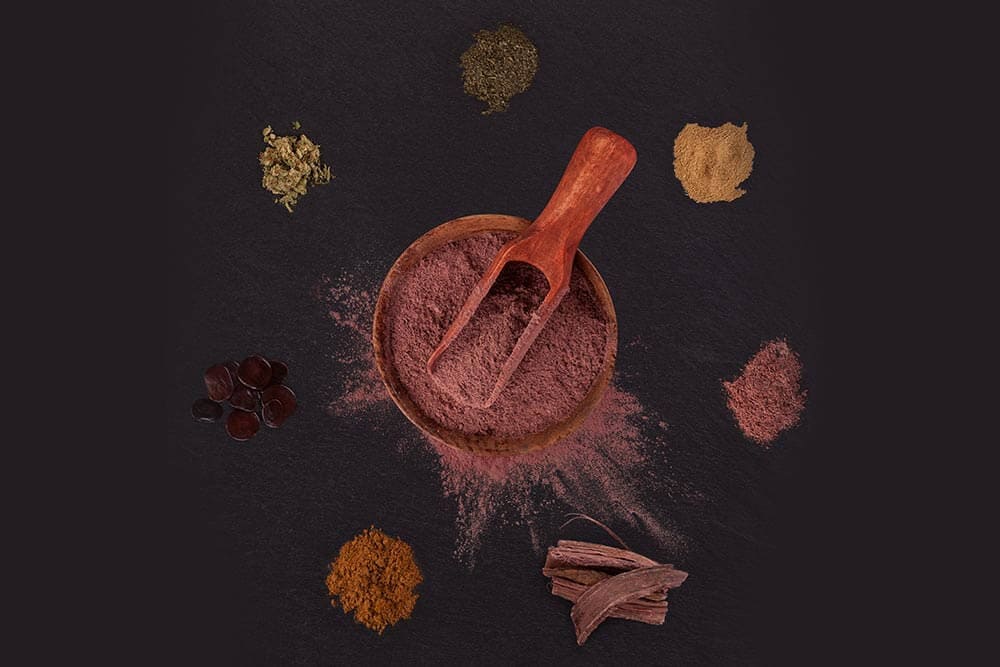 The Ayahuasca vine (Banisteriopsis caapi) is most often mixed with other ingredients to create a psychoactive drink used during rituals and as medicine, similarly to magic mushrooms or Psilocybin mushrooms. This mix is then cooked to create a blend and then ingested orally, where effects can last anywhere from 1-6 hours. Smoking the vine by itself produces effects that last just 10-15 minutes.
Effects of Ayahuasca – In most cases, the effects of Ayahuasca begin to kick in after 20-60 minutes and last anywhere from 4-8 hours after consumption. Users then feel effects such as weakness in the muscles for up to 16 hours after taking the original dose. Ayahuasca causes intense visual and multi-sensory hallucinations in which the brain thinks rapidly, dreaming up constantly changing visions and emotions. In most cases, users will vomit or experience intense diarrhea, before going on to experience strong emotions such as ecstasy, fear, hopelessness, or a feeling of imminent death. These emotions are strong and seem incredibly real to the person experiencing them. Users also lose feeling in their body through deadened nerves, which causes slowed movement and sleepiness.
Active Ingredients – The hallucinogenic effects of Ayahuasca are caused by a combination of chemicals including the originally identified Harmaline, which is a monoamine oxidase inhibitor (MAOI). However, the full effects of Ayahuasca (the brew) are found by combining the MAOI in Banisteriopsis caapi with a DMT containing plant. These plants include chacruna (psychotria viridis), capgropanga, mimosa tenuiflora root bark, and other similar plant species.
Ayahuasca and Addiction Treatment
Ayahuasca has been used by Westerners as a treatment for drug addiction since the 1950s when writer William S. Burroughs traveled to South America in an attempt to use the drug to treat his opium addiction. Burroughs published “The Yage Letters” on the subject, bringing the idea to North America.
Today, there are retreats where westerners have teamed up with shamans in the Amazon rainforest regions, forming ayahuasca healing retreats that claim to be able to cure mental and physical illness, cure addiction, and allow communication with the spirit world. Unfortunately, there is very little research or science behind these claims, and Ayahuasca does not provide permanent relief from drug abuse and addiction.
Even the first publicized use of Ayahuasca to cure drug addictions was a failure, as Burroughs, who made Ayahuasca famous for the purpose, remained an addict until his death according to his own writing and posthumous biographies of his life.
Can Ayahuasca Treat Addiction? – Most people who use psychoactive drugs as a cure rely on the spiritual aspects of taking a hallucinogenic to get over their addiction. Because most forms of ayahuasca addiction treatment involve isolation in nature, regular activities, and frequent usage of a hallucinogenic drug, the treatment itself can help users to feel better, to forget about their drug, and to quickly purge substance dependence from their system through sweating, diarrhea, and vomiting. Unfortunately, once returning home, most find that their treatment only temporarily stopped their cravings by changing their environment. This same effect can often be achieved by going on a vacation without taking ayahuasca.
Ayahuasca is a Schedule 1 Drug
Ayahuasca is a schedule 1 drug which is illegal and potentially dangerous to consume. While not addictive, Ayahuasca can cause physical and mental harm, and it is important to approach its use with the same care that you would use when considering any other type of drug.
Medical Concerns
 Ayahuasca has fewer medical concerns than most other types of drugs, but has similar risks when compared to psilocybin mushrooms. For example, the toxic dose is typically about 20 times that used to give hallucinations, meaning that overdose is a very low risk but still a possibility.
Hypertension – Users with hypertension or heart problems should be aware that Ayahuasca causes hypertension including profuse sweating, shaking, and lethargy in the muscles. DMT elevates the heart rate, increases the body temperature, and increases blood pressure.
Sedation – Ayahuasca sedates users, making it more difficult to walk or move.
Nausea – Most people experience intense vomiting and diarrhea, as well as some symptoms of food poisoning.
Disequilibrium – Users can feel dizzy and disoriented for up to 16 hours after an oral dose of Ayahuasca.
Psychiatric Effects
Ayahuasca interacts with the brain on a multi-dimensional level with two psychoactive ingredients. N-Dimethyltryptamine or DMT binds with serotonin receptors, dopamine, adenine, and other parts of the brain, to drastically change the chemical processes in the brain. MAOIs found in Ayahuasca inhibit the production of Monoamine oxidase, which creates more monoamine neurotransmitters in the brain, increasing levels of serotonin, melatonin, norepinephrine, and epinephrine in the brain. Prolonged heavy use of Ayahuasca can change how the brain adapts to handle these chemicals, changing your regular experience with the world, including causing long-term anxiety, as well as several persistent disorders including:
- hallucinogen persistent perception disorder
- hallucinogen intoxication delirium
- hallucinogen-induced psychotic disorder with delusions
- hallucinogen-induced psychotic disorder with hallucinations
- hallucinogen-induced mood disorder
- hallucinogen-induced anxiety disorder
Ayahuasca poses many of the same risks as other hallucinogens, and in some cases, poses more risks, because most users consume it in larger quantities.
Interactions with Other Drugs
Ayahuasca MAOIs and DMT interact with many other types of drugs, and oral consumption can cause severe complications in combination with other types of drugs.
- SSRIs (like Prozac)
- Cocaine
- Amphetamines
- Opiates
- Decongestants and allergy pills
- Cold medications
- Asthma inhalers
- Dopamine
- Levodopa
- Ecstasy
- Pseudoephedrine
- Ephedrine
Combining these drugs with Ayahuasca can be potentially fatal. This is a very good reason to avoid using Ayahuasca to treat an opiate addiction, as interactions with the drug in your body could cause severe complications.
Interaction with Foods
MAOI drugs interact with the amino acid Tyramine, and can cause hypertension and brain hemorrhaging. Tyramine is found in most types of alcohol, cheese, smoked food, fermented food, most chicken and fish, chocolate, caffeine, raspberries, soy, nuts, dried fruit, and some other foods.
While Ayahuasca is becoming increasingly popular as a ‘treatment’ for drug addiction, it rarely performs as advertised. Instead, users are exposed to a potentially dangerous hallucinogenic psychoactive drug, and then sent home to continue to deal with their mental addiction and the causes of their addiction at home.
Unfortunately, many people seek Ayahuasca out because it seems simpler and easier to replace a drug with a plant than to attend rehab and go through therapy. However, a good rehabilitation clinic is much better choice for anyone who is serious about recovering from an addiction. Rehabilitation therapy includes medical care to help addicts overcome physical dependence, therapy such as Cognitive Behavioral Therapy to help develop the mental tools to get over addiction, and guidance to help improve physical and mental health during rehab and after it.
Ayahuasca is often chosen as an easy way out, but in most cases, it simply makes thing worse in the long term.
If you or a loved one is suffering from any substance addiction, please call us at Lighthouse Treatment Center today. We are happy to provide a no-cost, no-obligation consultation with one of our experienced treatment advisors. Contact us today to discuss your situation in confidence – we are here to help.































