Fun & Adventure in Recovery

Experiential Activities in Addiction Treatment

Experiential activities for addiction recovery turn insight into action by giving you structured opportunities to practice recovery through movement, creativity, teamwork, recreation, mindfulness, and guided reflection. Lighthouse integrates these experiences intentionally with therapy, recovery education, relapse prevention, life skills, and real-time clinical guidance, then connects what happens in the activity to your triggers, relationships, coping patterns, confidence, and everyday decisions. You do more than understand recovery intellectually. You practice how to live it, so you can build stronger coping skills, healthier connections, greater self-trust, and the real-world confidence needed to protect long-term recovery.

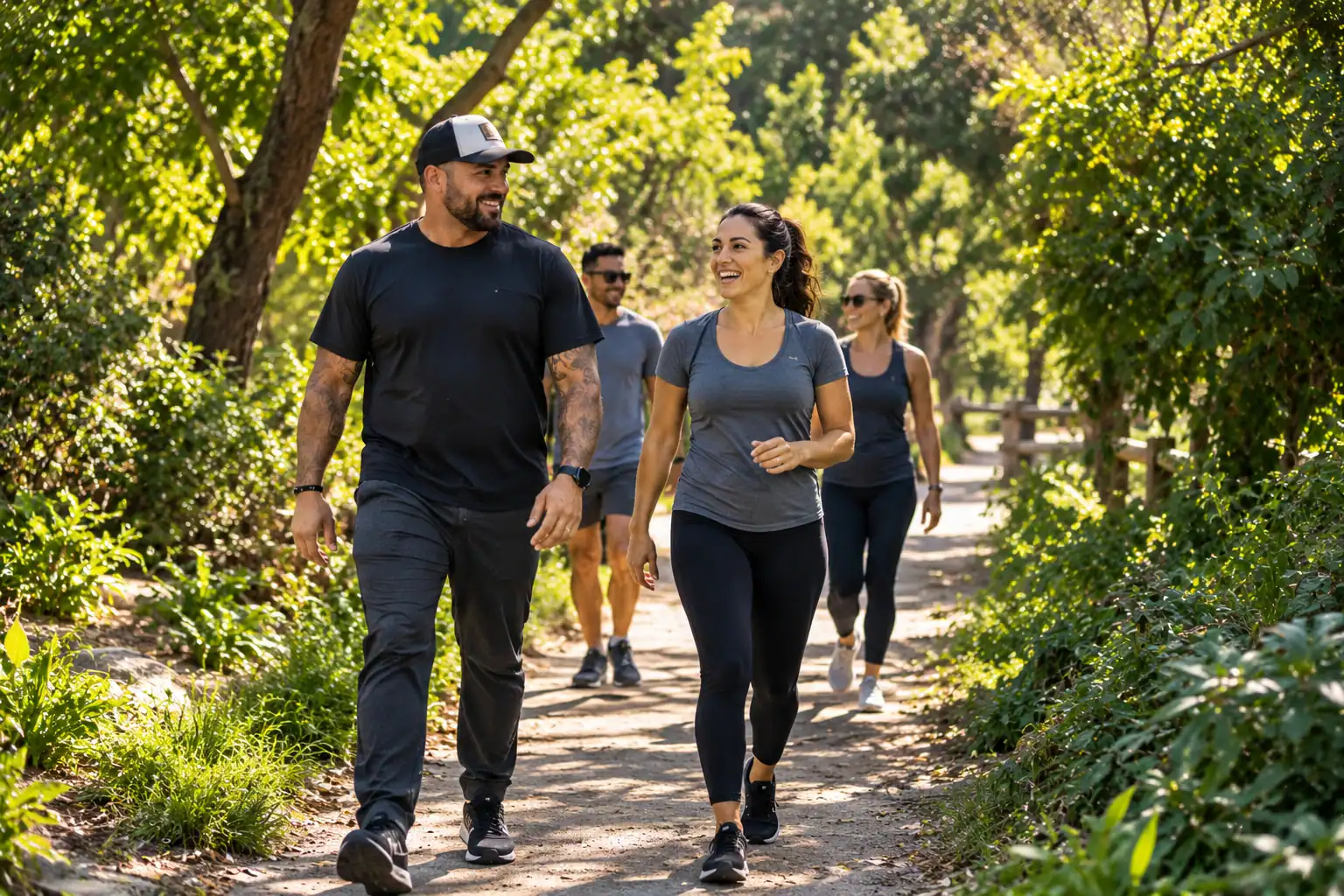
Adults hiking together during experiential activities in addiction treatment in Orange County, CA

Featured Activity: Hiking 

How We Use Experiential Activities

Experiential activities are selected around your needs, physical ability, recovery goals, safety, and level of care. Each experience works with other modalities to build practical skills, address recovery challenges, and support long-term progress.

Experiential Benefits

Turns insight into practical action

Strengthens communication skills

Builds emotional self-awareness

Develops healthy coping strategies

Increases confidence and connection

Supports sober recreation and fun

Helps With

Alcohol and substance use disorders

Anxiety, depression, and stress

Trauma symptoms and emotional distress

Emotional dysregulation and impulsivity

Social isolation and relationship strain

Low confidence and self-esteem

Healing the Whole Person

Experiential Activities Our Clients Enjoy

Experiential activities bring recovery to life through movement, creativity, recreation, reflection, and connection. Rediscover healthy ways to feel engaged, connected, and fulfilled, building a recovery lifestyle that feels meaningful and worth protecting.

Yoga

Yoga

Gym Fitness

Gym Fitness

Breathwork

Breathwork

Sound Baths

Sound Baths

Art Therapy

Art Therapy

Sporting Events

Sporting Events

Hiking

Hiking

Beach Days

Beach Days

Nature Walks

Nature Walks

Bowling

Bowling

Whale Watching

Whale Watching

Movies

Movies

Journaling

Journaling

Reading

Reading

Basketball

Basketball

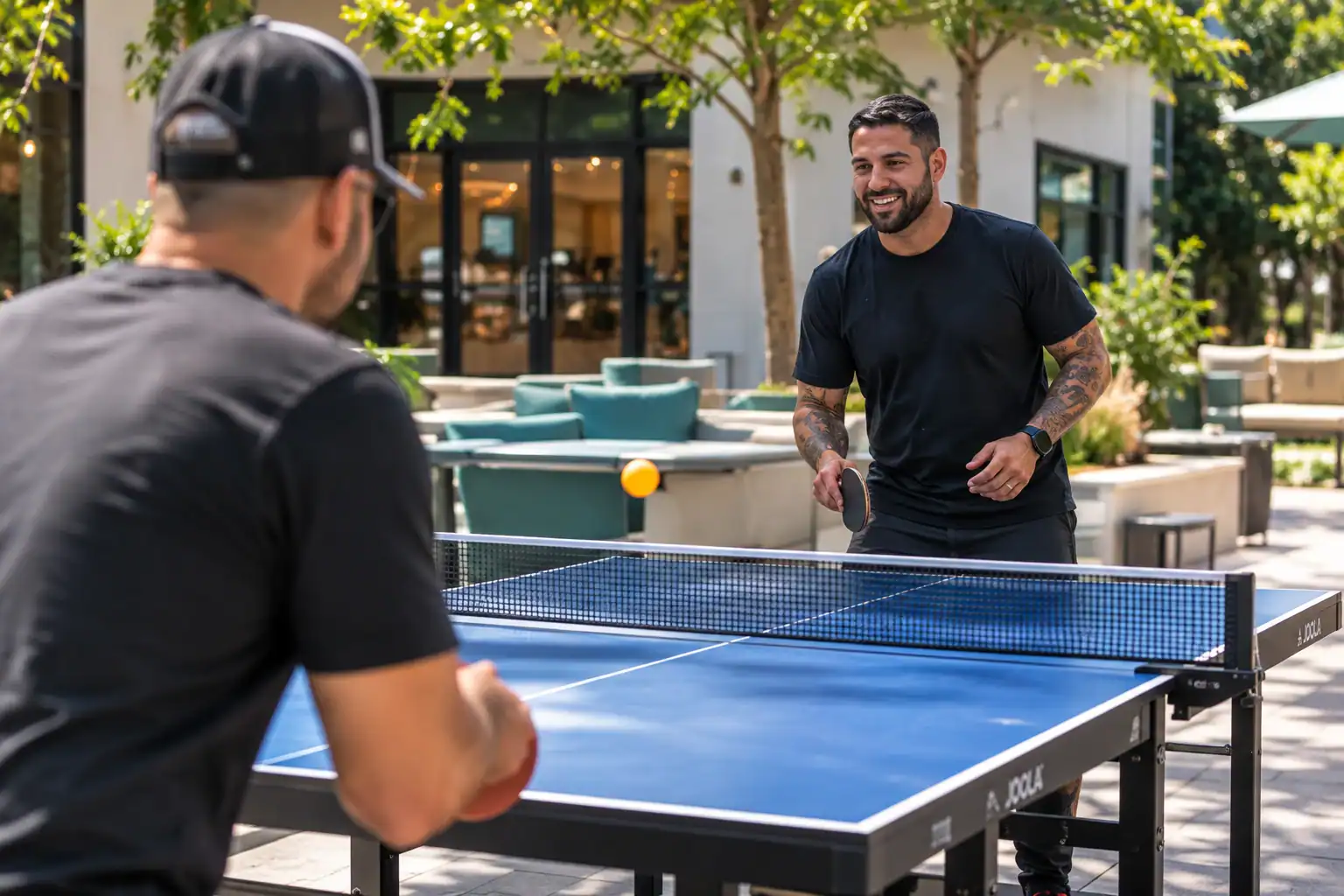
Ping Pong

Ping Pong

Shopping

Shopping

“

I was going through a tough time in my life and needed help with my addiction and mental health issues. The lighthouse provided me with a safe, friendly, and professional environment to get sober and learn the tools to continue my substance-free journey. A special thank you to the staff for treating everyone with dignity and going above and beyond.

”

- Adrian V.

How We Apply Experiential Activities in Addiction Treatment

Fun Activities & Community Experiences

Recovery has to become a life you actually want to live. Lighthouse incorporates sober recreation and community experiences such as beach days, movie nights, holiday events, potlucks, bonfires, professional baseball and hockey games, fitness activities, and other supervised outings that help your rediscover fun, connection, and belonging without substances. These experiences build confidence enjoying real life in recovery while strengthening healthy relationships, social skills, and interests that can continue long after treatment.

Creative Expression and Guided Reflection

Art, music, journaling, guided writing, and recovery storytelling give clients additional ways to explore emotions, identity, values, strengths, and goals. Facilitated reflection helps each person recognize what surfaced during the activity, how they responded, and what the experience revealed. Those insights can then be connected to individualized treatment goals, coping strategies, communication, relationships, everyday behavior, and recovery-supportive choices.

Sober Recreation and Community Practice

Structured outings, fitness, movement, recovery events, and other sober recreational activities help clients experience enjoyment, connection, and healthy challenge without substances. When clinically appropriate, these experiences provide real-world practice with coping, boundaries, social confidence, responsibility, and support-seeking. Clients can also begin identifying interests and routines that support community involvement and a fulfilling recovery lifestyle after treatment.

Frequently Asked Questions About Experiential Activities

Experiential therapy for addiction uses structured, hands-on experiences to help clients practice recovery skills through active participation. Activities may involve movement, recreation, creativity, communication, teamwork, mindfulness, problem-solving, community engagement, or guided reflection. Within our addiction treatment programs, these experiences complement individual therapy, group therapy, Recovery Education, Relapse Prevention, and Life Skills as part of an individualized treatment plan.

Experiential therapy in addiction treatment adds active practice to the insight developed in individual and group therapy. A client may communicate through a team challenge, manage frustration during a problem-solving exercise, explore emotion through creative work, or practice sober recreation in the community. Staff then guide reflection so the experience connects to treatment goals, relationships, relapse risk, and everyday life. Individualized psychotherapy remains part of the broader clinical plan when clinically indicated.

Experiential therapy techniques may include team-building exercises, structured problem-solving, behavioral rehearsal, and creative activities for addiction recovery such as art, music, guided writing, and journaling. Mindful movement, fitness, sober recreational activities, recovery events, and supervised community experiences may also be used. Activities are selected according to safety, physical ability, emotional stability, clinical need, recovery goals, and level of care. They may reinforce skills taught through CBT, DBT, Mindfulness Practices, Narrative Therapy, and Relapse Prevention.

Clients first participate in a structured experience with a clear recovery purpose. They observe their thoughts, emotions, physical reactions, communication patterns, decisions, and responses to other people. Staff guide reflection on what happened, what felt difficult, what worked, and what could change. The group then connects the experience to recovery themes such as triggers, trust, boundaries, coping, accountability, teamwork, or frustration tolerance. Each client identifies how the lesson can be applied in treatment, relationships, employment, or everyday life.

Experiential activities can support people receiving treatment for substance use disorders, especially clients who learn well through active participation. They may also help individuals working through anxiety, depression, trauma-related symptoms, emotional dysregulation, social isolation, relationship difficulties, low confidence, or everyday stress. Participation is individualized. The treatment team considers clinical needs, physical ability, safety, recovery goals, and readiness before selecting an activity.

Physical participation is adapted to your medical condition, mobility, energy level, and comfort. Clients are never expected to perform activities beyond safe functional limits. Experiential work can also include journaling, creative expression, communication exercises, guided reflection, mindfulness, recovery storytelling, and low-demand group activities. During Detox and Withdrawal Management, medical stabilization remains the priority, and participation occurs only when clinically appropriate.

Experiential activities may be incorporated in Detox, Residential Treatment, Partial Hospitalization Program (PHP), and Intensive Outpatient Program (IOP). Participation in detox depends on medical stability and may involve gentle, low-demand activities. Residential care provides regular opportunities for team-building, movement, creativity, recreation, and supervised community practice. PHP and IOP place greater emphasis on applying recovery skills to outside responsibilities, relationships, recreation, work, and community life.

These activities are included in our treatment programs that are commonly covered by insurance. Lighthouse accepts 30+ commercial insurance plans and offers private-pay and Medi-Cal/DMC pathways.

Verify your insurance and our Admissions team will help you navigate your options for treatment.

Call Now For Program Availability

Contact admissions to learn about treatment and bed availability, or submit your insurance to verify coverage.

We Accept Most Insurance

Let insurance pay for rehab. We accept HMO, PPO, employer plans, and Medi-cal. Check your coverage for treatment fast and easy.


cignacarelonbeaconblue cross blue shieldanthemamerihealthaetnahighmarkcoresourcecignacarelonbeaconblue cross blue shieldanthemamerihealthaetnahighmarkcoresource
optumprovidencetriwestunitedhealthcarevalue optionsmolinamagellanmeritainmultiplanoptumprovidencetriwestunitedhealthcarevalue optionsmolinamagellanmeritainmultiplan
Verify Your Insurance

3 Easy Options to Get Started or Learn More

You Call Us

We are here to answer your questions. Learn about detox, treatment, costs, or anything else. Give us a call now.

We Call You

Complete this secure form to receive a fast response from our support team.

Name(Required)
I agree not to spam *(Required)

Verify Insurance

We accept over 30+ insurance types.
Confirm your treatment coverage fast & easy with our online verification system.


Verify Insurance Brands
Verify Insurance

What Our Clients Say About Us

We value the feedback from our many clients. We are proud of these success stories. Knowing we have made a positive impact on the lives of these individuals and families is most important to us.

Licensed, Certified, Accredited

Award-winning licensed facilities. Certified by adhering to rigorous guidelines.
We exceed quality standards with safe & effective healthcare services.

ccapp dhcs carf legit county ochealth samhsa