Evidence-Based Addiction Treatment

Our Proven Approach to Addiction Treatment

Our approach to addiction treatment brings clinical excellence, evidence-based therapy, psychiatric care, a strong traditional 12-step foundation, trauma-informed treatment, holistic practices, and experiential learning together in one individualized plan.

You get disciplined clinical care, practical recovery skills, emotional and behavioral support, real-world application, and a recovery community that reinforces accountability and growth, so that you can stabilize, understand and change the patterns driving addiction, build confidence in how to live differently, and create the foundation for freedom from addiction and lasting, long-term recovery.

Every Treatment Plan Is Unique

Your treatment plan is where everything comes together. We combine the right therapies, psychiatric care, recovery principles, practical skill-building, and long-term support around your needs, then refine that plan as you grow. Our approach enables you to uncover what drives addiction, change the patterns that keep you trapped, build the skills that protect your recovery, and prepare you to create a life where lasting freedom becomes possible.

women pointing finger

*Example Treatment Plan

Individual Clinical Therapy

Target the personal triggers, emotions, and patterns driving substance use.

Change harmful thought patterns and build healthier responses to triggers.

Psychiatric and Medication Care

Address co-occurring mental health needs with psychiatric and medication care.

Personal Relapse Prevention

Know your triggers and warning signs, with a plan to act before risk escalates.

Build accountability, fellowship, sponsorship, and lasting recovery support.

Use yoga, meditation, and grounding to manage stress, emotions, and cravings.

Rebuild the routines, responsibilities, and work skills that support stability.

Plan your next level of care, housing, support, and practical needs early.

What Is a Treatment Modality?

A treatment modality is a specific approach used to solve a specific part of the recovery problem. Think of each one as a precision tool. CBT helps you challenge thinking patterns that drive harmful behavior. DBT gives you skills to regulate intense emotions and tolerate distress. Relapse Prevention helps you recognize danger before a craving becomes a decision. Mindfulness teaches you how to slow down and respond with intention.

Each modality has a job to do, and the right combination gives you a practical set of tools you can use in treatment, in relationships, under stress, and long after you leave our care.

Each modality solves a different recovery problem

The right tool is matched to the right clinical need

Skills are practiced until they become usable in real life

You leave with tools you can carry into long-term recovery

No One-Size-Fits-All Approach

Every Person Is Unique.
Treatment Should Be Too.

With 25+ years of treatment experience, our clinicians have become masters at combining evidence-based approaches into something far more powerful than any single therapy alone. They know which tools to bring forward, when to introduce them, and how to make them work together, so your treatment becomes a coordinated system for changing thought patterns, regulating emotions, reducing relapse risk, rebuilding identity, strengthening relationships, and preparing you to live recovery in the real world.

Call Now For Program Availability

Contact admissions to learn about treatment and bed availability, or submit your insurance to verify coverage.

Healing the Whole Person

Experiential Therapies & Holistic Approaches

Recovery has to reach deeper than insight alone. Our experiential and holistic approaches are built to reawaken passion, purpose, and a sense of possibility through movement, mindfulness, creativity, reflection, recreation, and meaningful connection. Learn to reconnect with your body, with nature, with other people, and with parts of yourself addiction may have pushed aside, so recovery begins to feel lived, personal, and worth protecting.

Yoga

Yoga

Gym Fitness

Gym Fitness

Breathwork

Breathwork

Sound Baths

Sound Baths

Art Therapy

Art Therapy

Sporting Events

Sporting Events

Hiking

Hiking

Beach Days

Beach Days

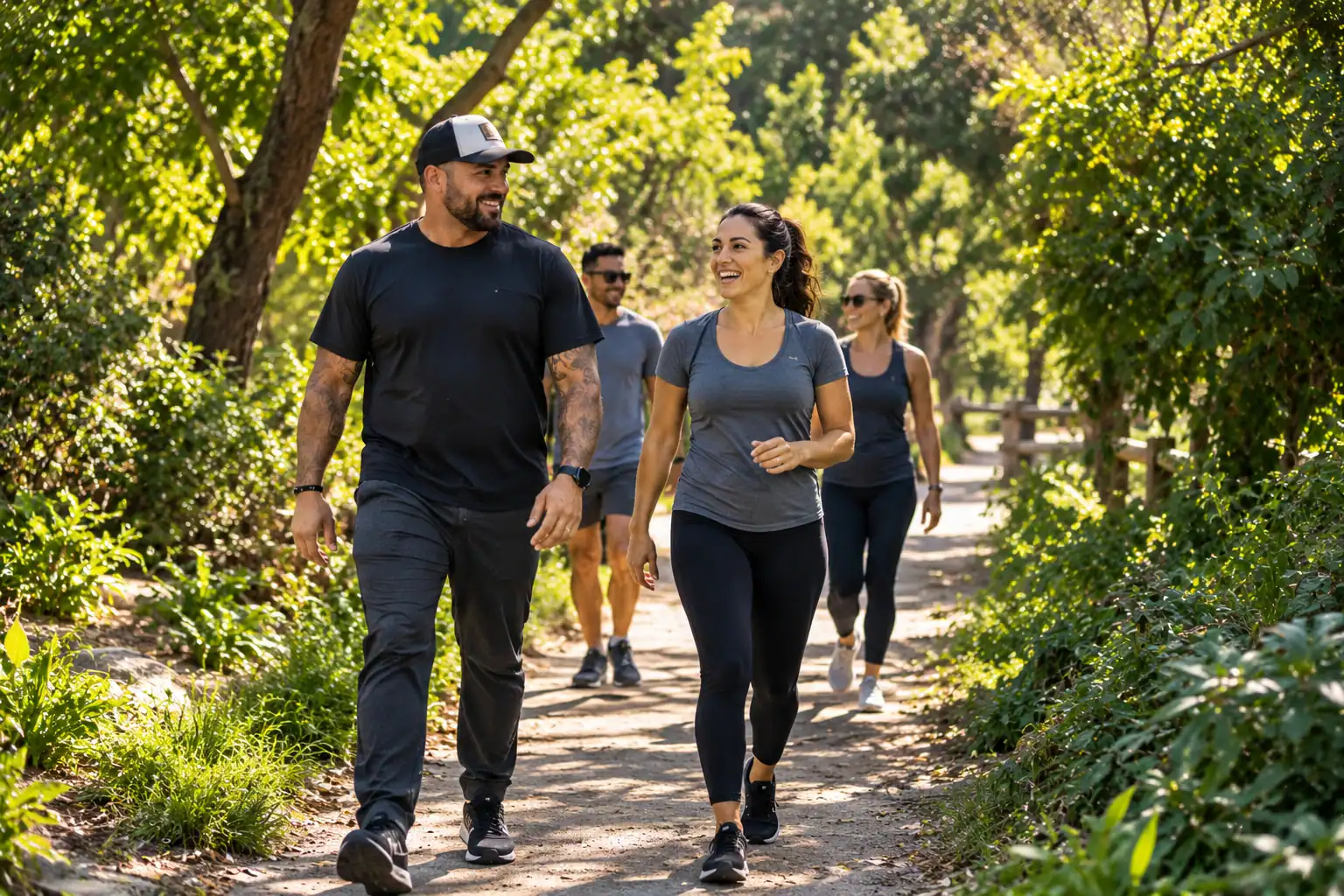
Nature Walks

Nature Walks

Bowling

Bowling

Whale Watching

Whale Watching

Movies

Movies

Journaling

Journaling

Reading

Reading

Basketball

Basketball

Ping Pong

Ping Pong

Shopping

Shopping

“

I arrived at the Lighthouse broken and defeated but I was greeted with compassion from the staff. It was there that I learned how to live life on life’s terms using newly learned coping skills instead of my usual bad habits. I was introduced to a 12-Step Program and encouraged to get a sponsor. I formed healthy connections with other clients.

I left The Lighthouse a different person than how I had arrived. I was given tools and a fellowship of people that genuinely cared for me. Not to mention, the food was amazing. My closest friends in my life today are those that have traveled the same journey and gotten sober at Lighthouse. Today my life is joyous, happy, and free. It sounds cliché, but it’s true.

”

- Catherine B.

Frequently Asked Questions About Our Treatment Approaches

Addiction treatment modalities are the specific clinical and recovery approaches used to address different parts of the addiction problem. One approach may help you challenge destructive thinking. Another may help you regulate intense emotions, process trauma safely, manage cravings, rebuild relationships, or recognize relapse risk before it becomes action.

Our clinicians combine approaches such as Cognitive Behavioral Therapy, Seeking Safety, Relapse Prevention, 12-Step Integration, and other therapies into one individualized plan. With more than 25 years of treatment experience, we understand that lasting recovery rarely comes from one tool used in isolation. It comes from putting the right tools together around the person.

If you are unsure what type of treatment you need, you do not have to figure that out first. Admissions can help you understand the appropriate starting point.

Your treatment plan starts with understanding you, not forcing you into a preset clinical formula. The team considers your substance use history, withdrawal risk, mental health symptoms, trauma history, previous treatment experiences, current challenges, recovery goals, level of care, and how you respond once treatment begins.

From there, clinicians build and continually refine the combination of individual therapy, group therapy, psychiatric care, case management, recovery programming, and specific therapeutic approaches that best address your needs.

For families who have watched someone relapse repeatedly or struggle through previous treatment, this individualized approach matters. The goal is to identify what is actually driving the cycle and give the person better tools for changing it. Admissions can begin that assessment process and help you understand what level of care makes sense now.

Yes. In fact, the combination is one of the defining strengths of our treatment model. Evidence-based clinical therapies address thinking, behavior, trauma-related distress, motivation, emotional regulation, and relapse risk. Mindfulness Practices and Experiential Activities help clients reconnect with their bodies, regulate stress, rediscover healthy interests, build relationships, and practice recovery outside the therapy room.

A strong traditional 12-step foundation adds accountability, fellowship, service, and connection to a recovery community that can continue long after formal treatment ends. More than 60% of our staff are in recovery or Lighthouse alumni, creating a culture where clinical excellence and lived recovery experience reinforce one another every day.

If you are looking for treatment that addresses the whole person, speak with Admissions about how these approaches can be integrated into your care.

Behavioral health therapies are woven throughout our continuum of care, with the intensity and application changing as you become more stable and independent. Residential Treatment provides a highly structured environment where therapy, recovery education, relapse prevention, psychiatric support, and daily skill practice can work together. PHP and IOP continue that clinical work while giving you more opportunities to apply recovery skills in real life.

During Detox, stabilization comes first. Recovery education, grounding, peer support, and selected programming are introduced as your condition allows. Sober Living and Alumni Support then reinforce accountability, connection, and recovery practices as everyday responsibilities return.

This continuity matters because recovery does not happen in one phase. If you are trying to determine where you or your loved one should begin, Admissions can guide you to the appropriate level of care.

Tell your therapist or treatment team. Treatment planning is an active process. Your clinicians look at how you are responding, where you are making progress, where you remain stuck, and whether the pace, technique, or combination of therapies needs to change. Some clients need more stabilization before deeper work. Others respond better when a different approach gives them a new way to understand the same problem.

That flexibility is one reason individualized care matters. You are not expected to fit the therapy. The treatment plan should continue evolving around your clinical needs and recovery goals. If previous treatment has failed or felt impersonal, talk with Admissions about what a more individualized approach can look like.

There is no single timeline for every therapy because the work follows your clinical needs, medical necessity, level of care, goals, and progress. A skill introduced during Residential Treatment may be strengthened in PHP, tested against real-world stress in IOP, and carried into independent recovery long after formal treatment ends.

That repetition is intentional. Recognizing a trigger once is different from knowing what to do when it appears during conflict, loneliness, work stress, or a craving months later. Relapse prevention, 12-step participation, mindfulness, recovery education, emotional regulation, and transition planning become more useful as they are practiced repeatedly in different environments.

Our goal is to help you leave treatment with skills you can actually use when life becomes difficult. Admissions can explain how the continuum is structured and what duration may look like based on your starting level of care.

Yes. Any treatment covered by insurance includes your individualized treatment plan and all the treatment modalities incorporated into your care. Lighthouse accepts 30+ commercial insurance plans, private pay options, and Medi-Cal/DMC pathways.

Verify Your Insurance for treatment and let our team help you understand the practical path forward. You can also call Admissions to find out what options are available.

We Accept Most Insurance

Let insurance pay for rehab. We accept HMO, PPO, employer plans, and Medi-cal. Check your coverage for treatment fast and easy.


cignacarelonbeaconblue cross blue shieldanthemamerihealthaetnahighmarkcoresourcecignacarelonbeaconblue cross blue shieldanthemamerihealthaetnahighmarkcoresource
optumprovidencetriwestunitedhealthcarevalue optionsmolinamagellanmeritainmultiplanoptumprovidencetriwestunitedhealthcarevalue optionsmolinamagellanmeritainmultiplan
Verify Your Insurance

What Our Clients Say About Us

We value the feedback from our many clients. We are proud of these success stories. Knowing we have made a positive impact on the lives of these individuals and families is most important to us.

Licensed, Certified, Accredited

Award-winning licensed facilities. Certified by adhering to rigorous guidelines.
We exceed quality standards with safe & effective healthcare services.

ccapp dhcs carf legit county ochealth samhsa