
Questions? Call For Help Now
(855) 934-1100
Residential Drug Rehab in Orange County
1320 W Pearl St, Anaheim CA 92801 (866) 811-3656
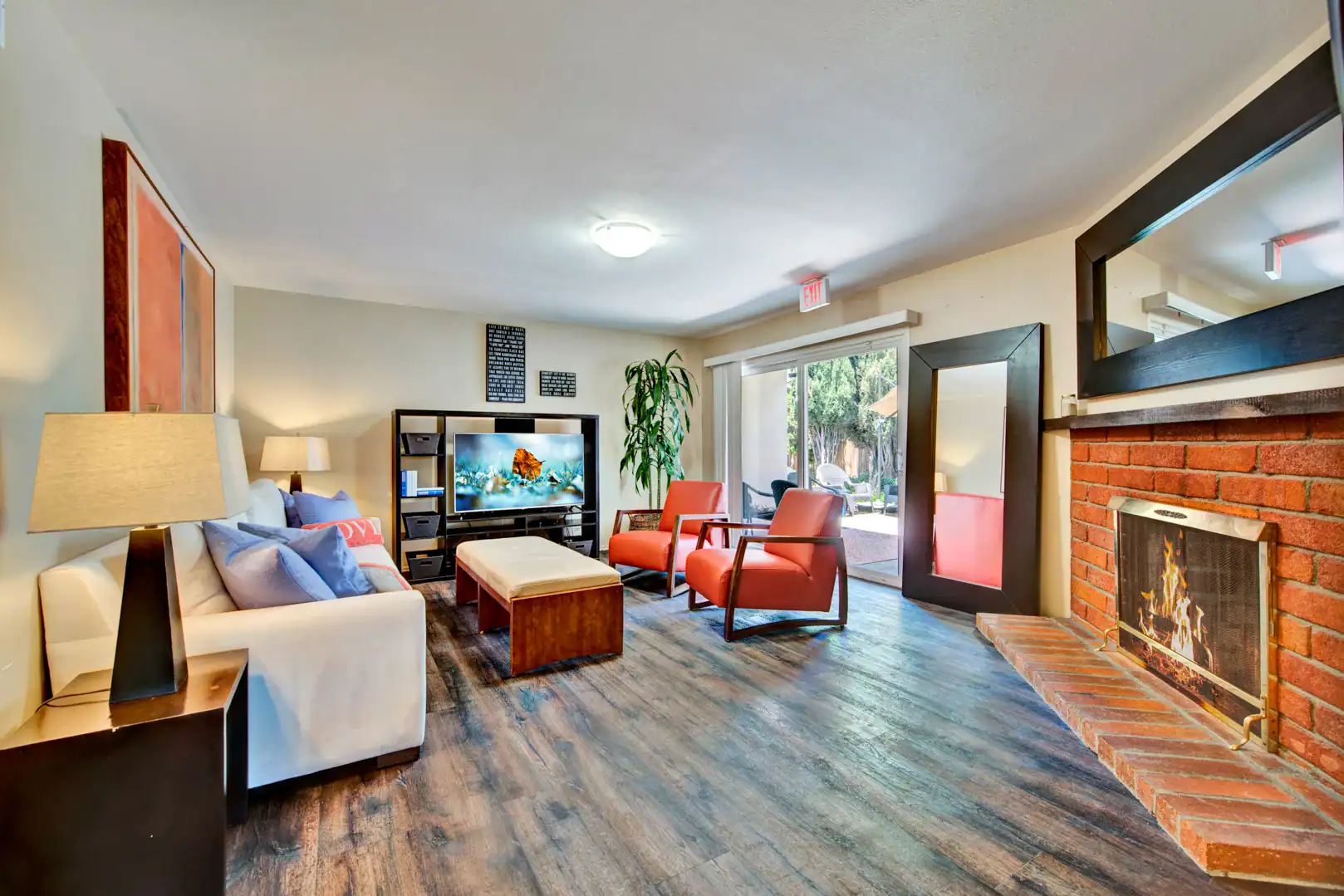
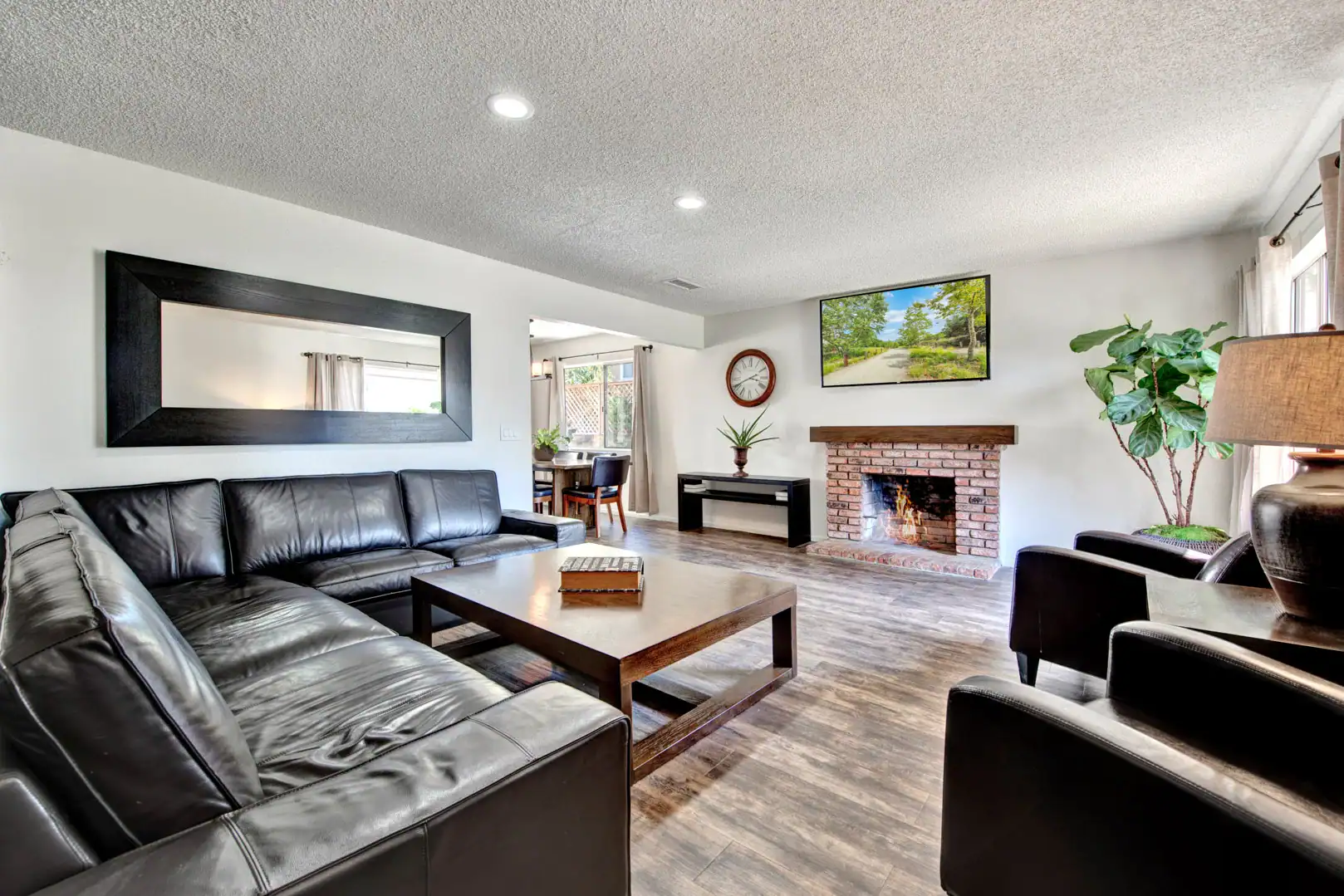
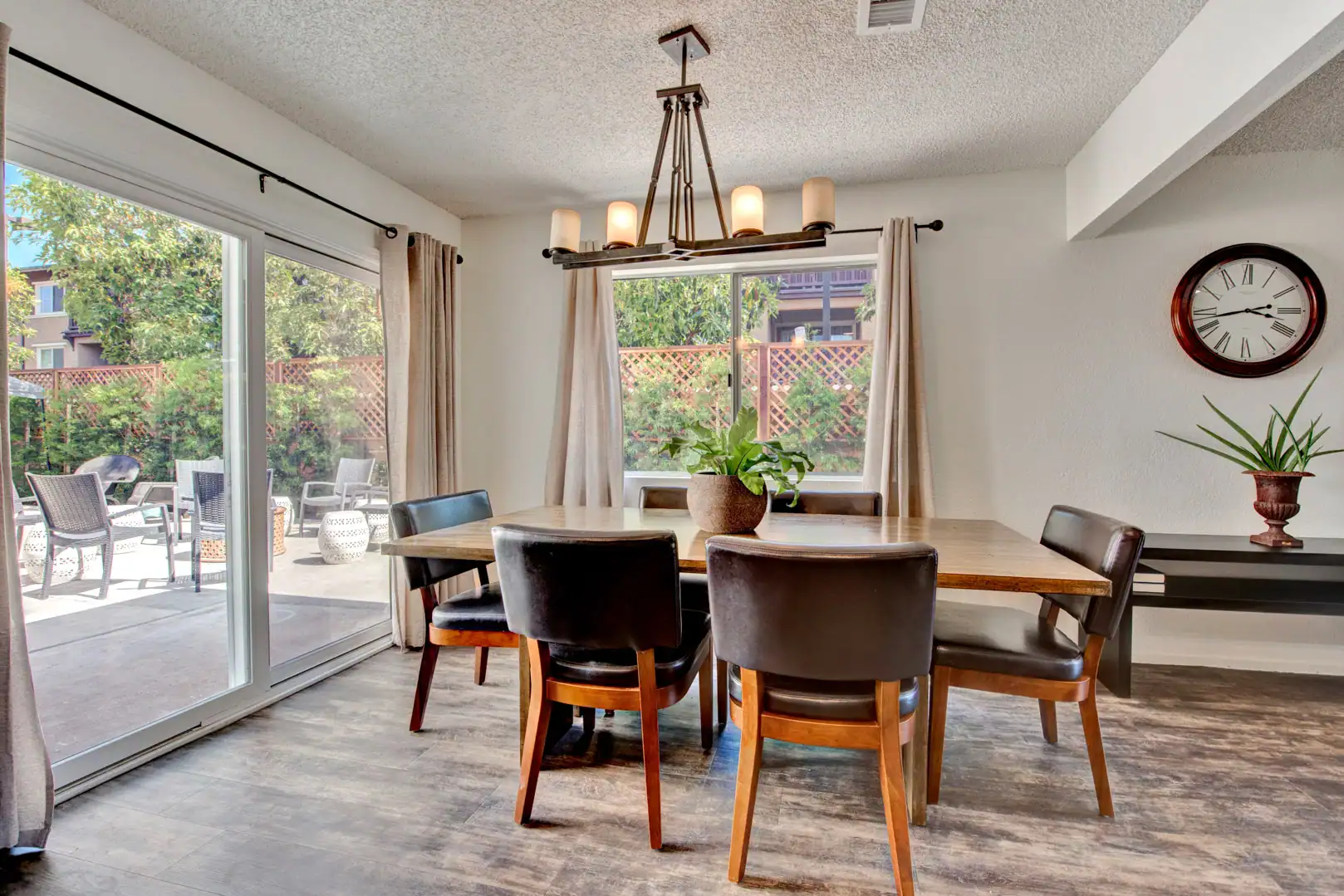
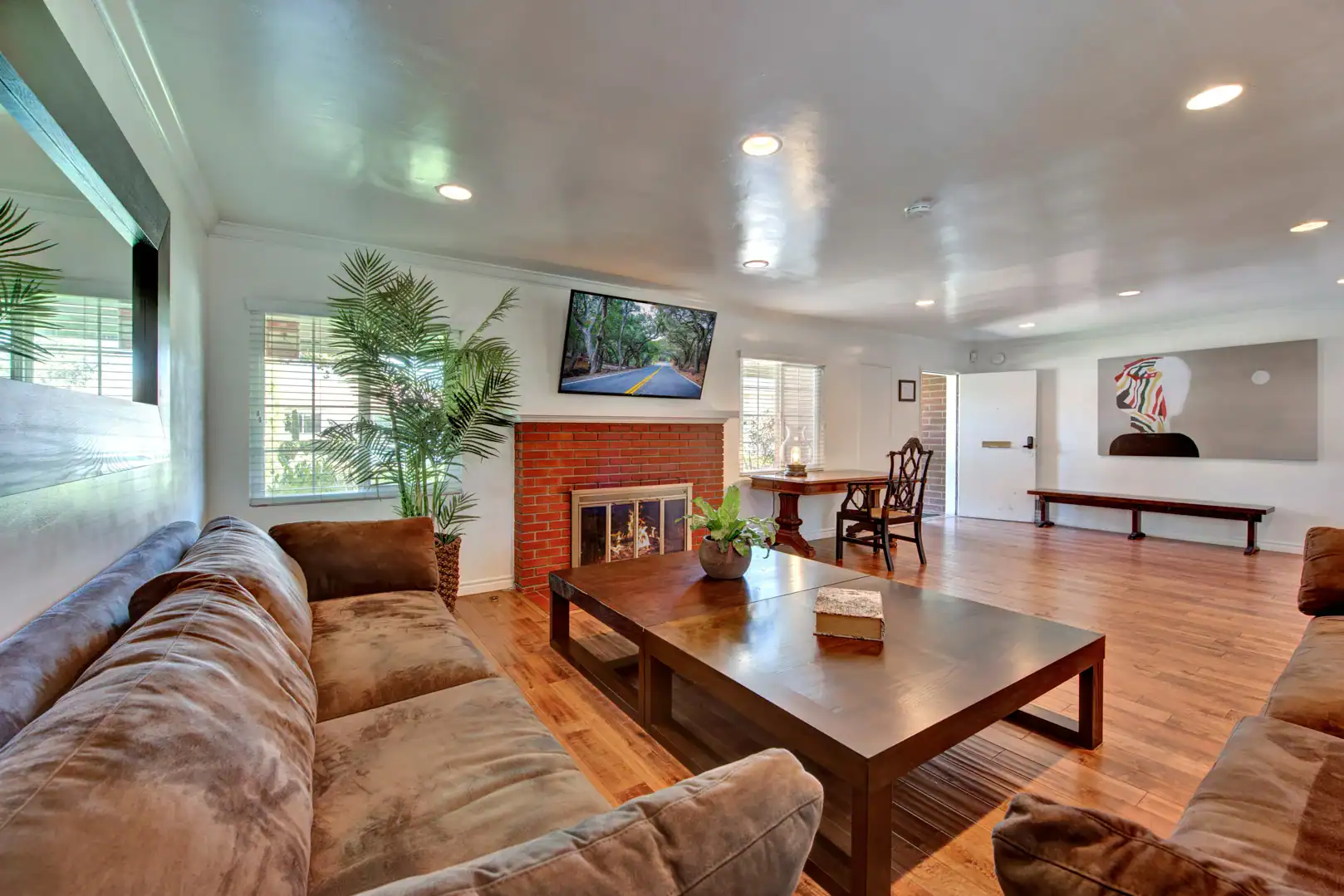
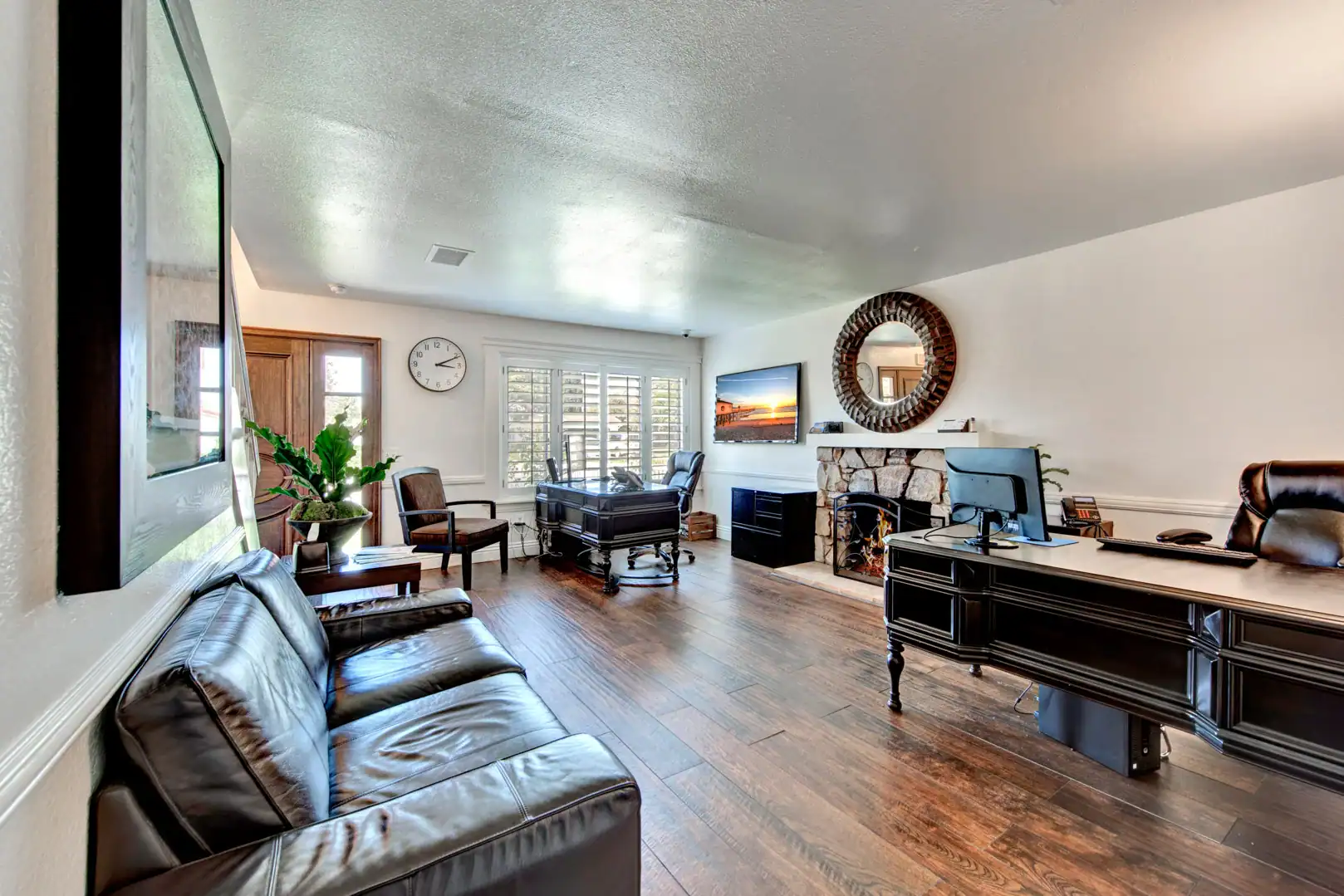
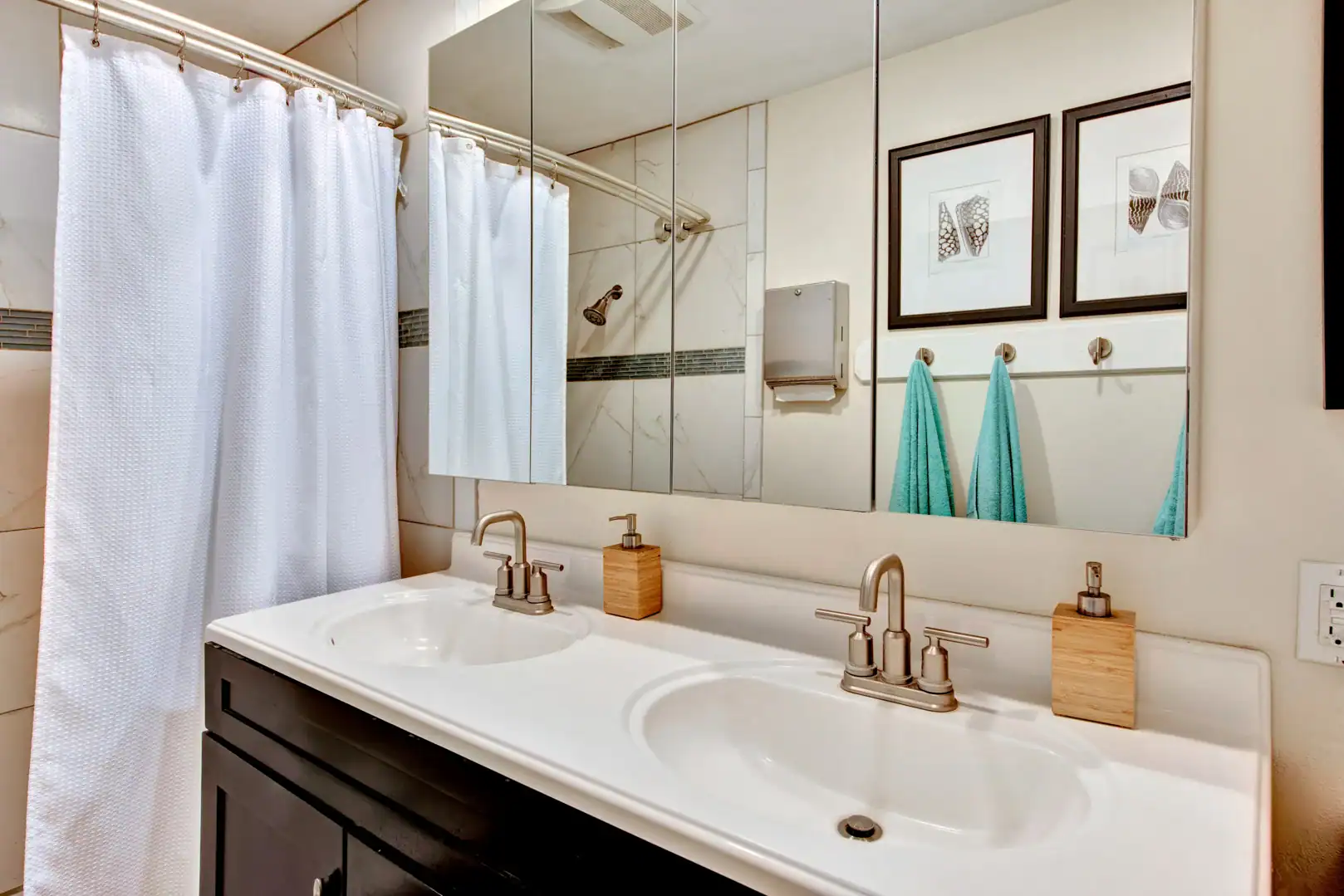
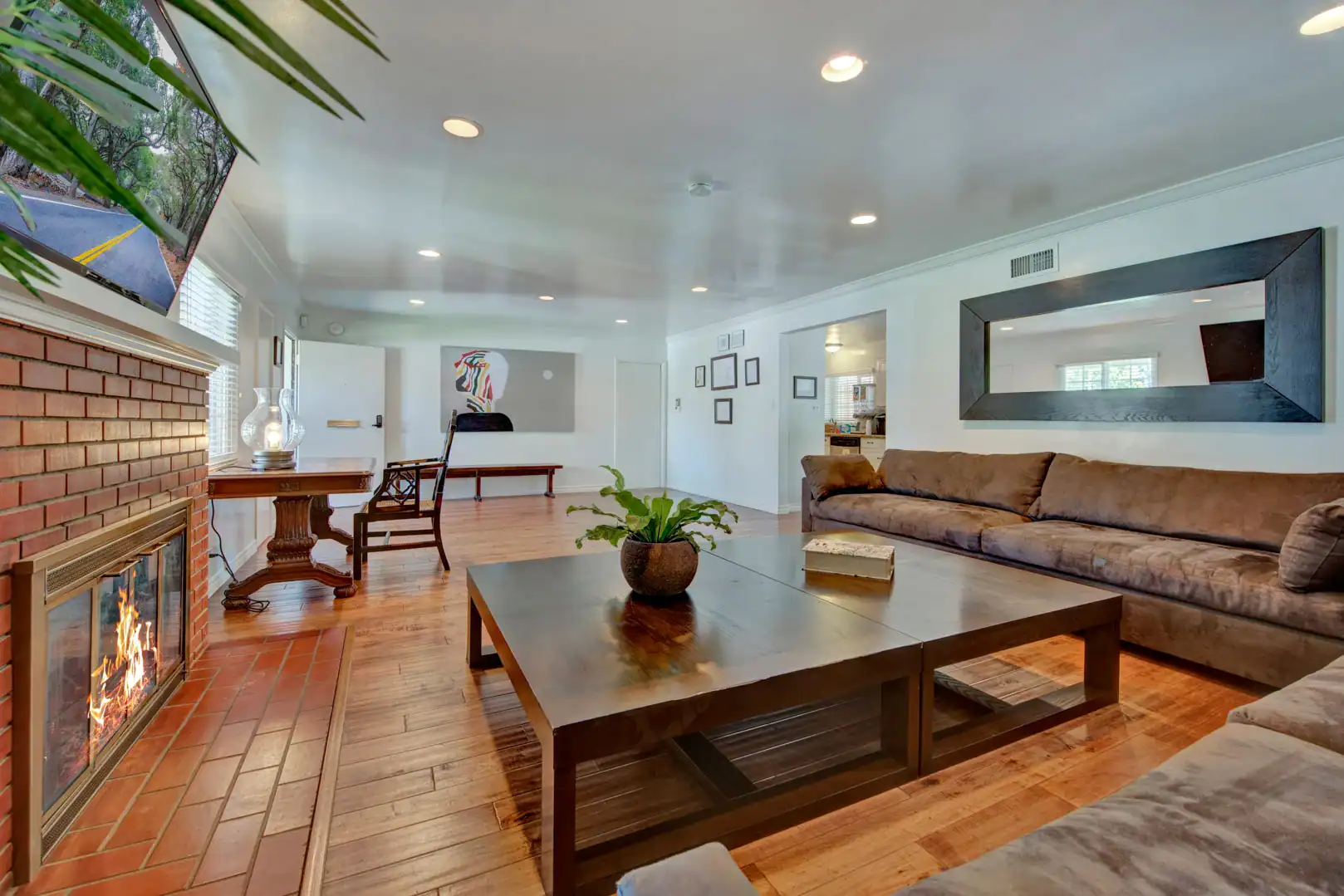
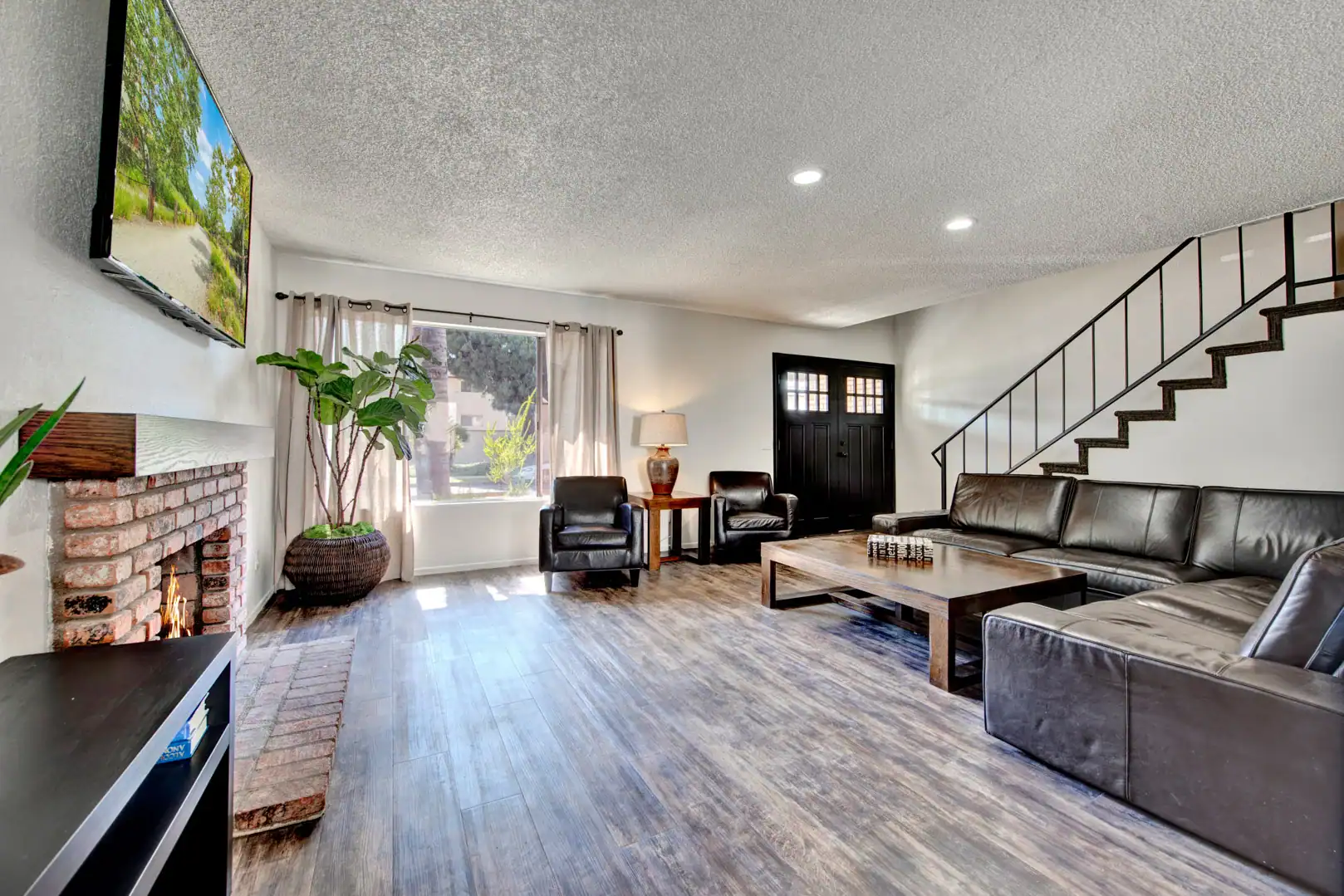
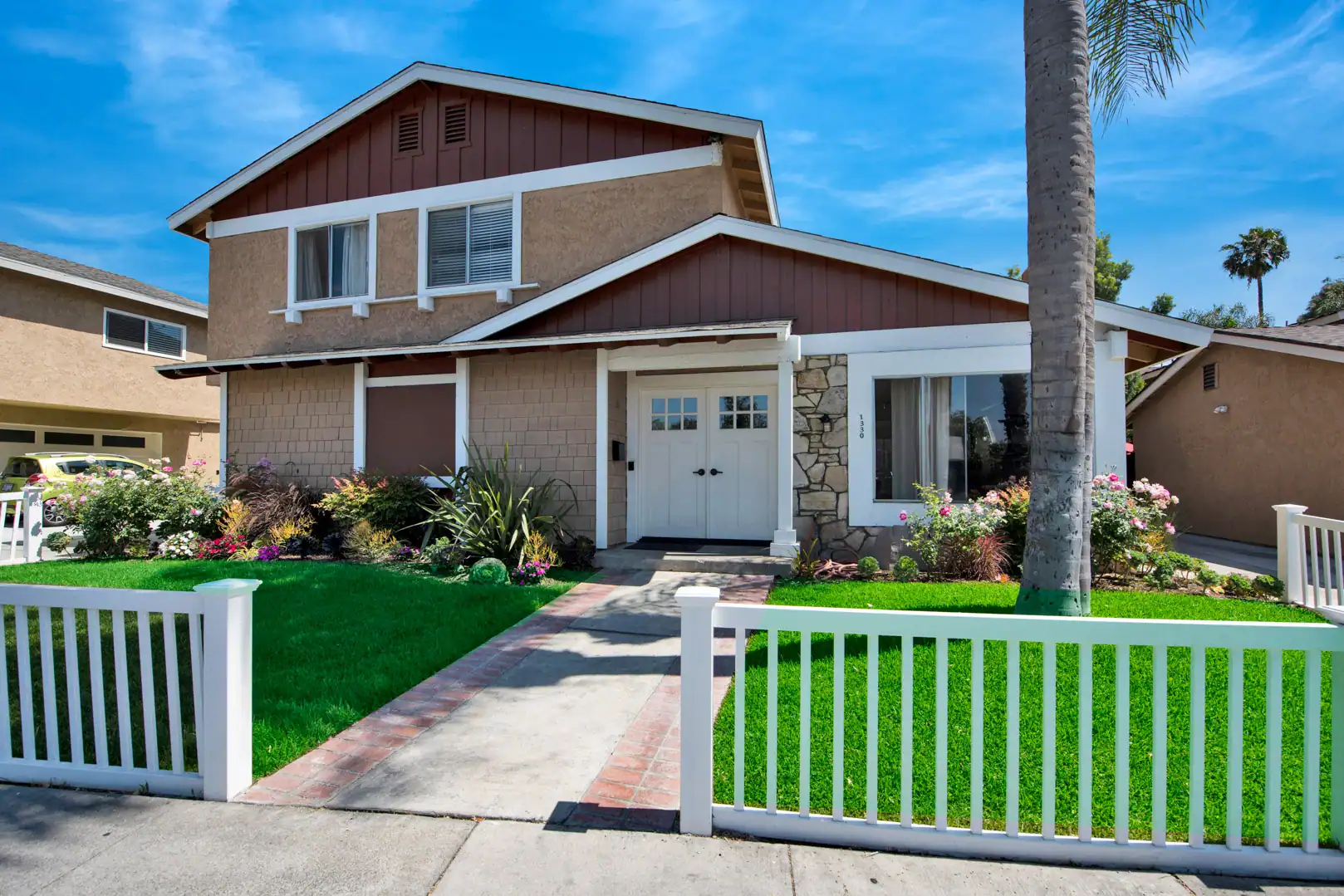
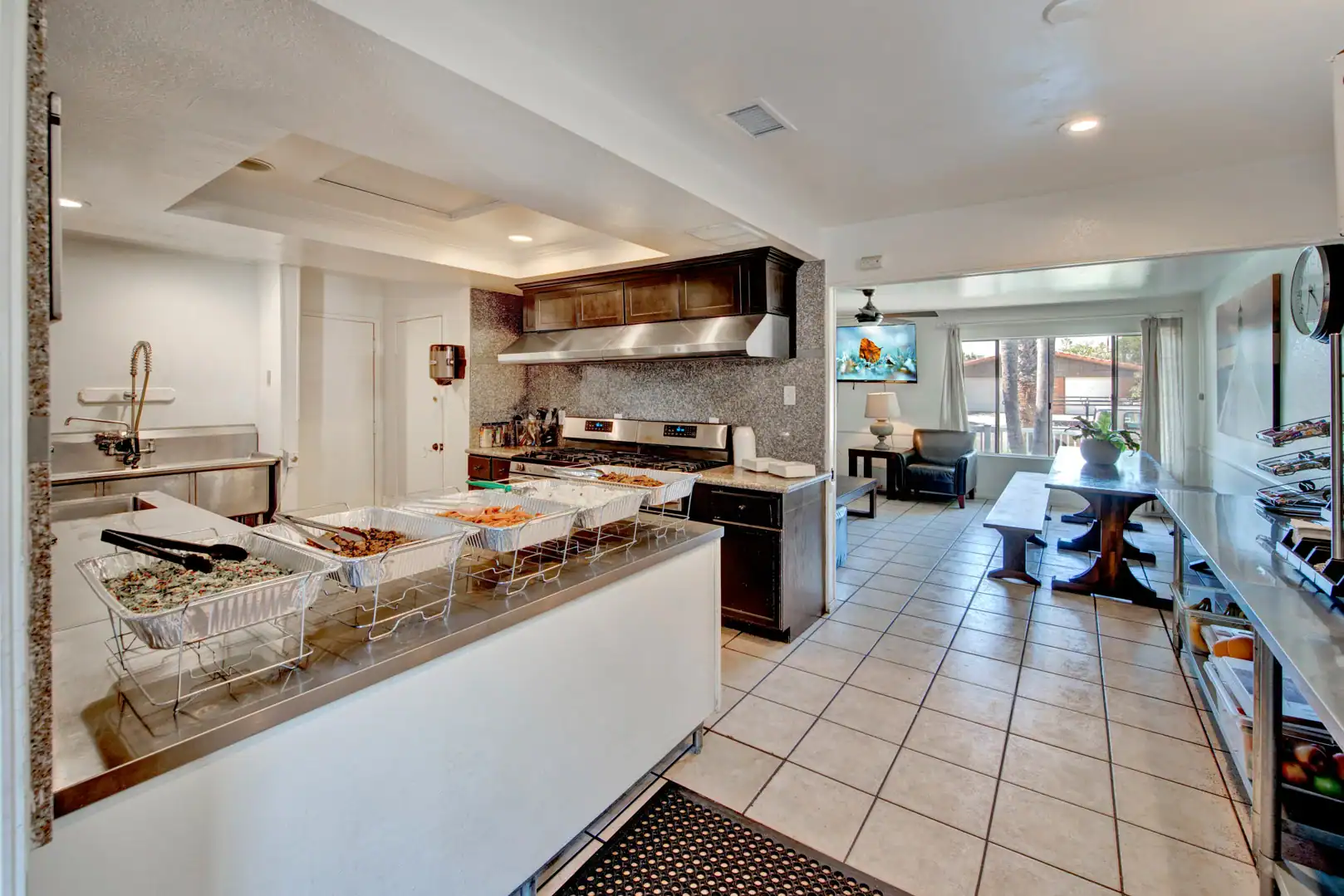
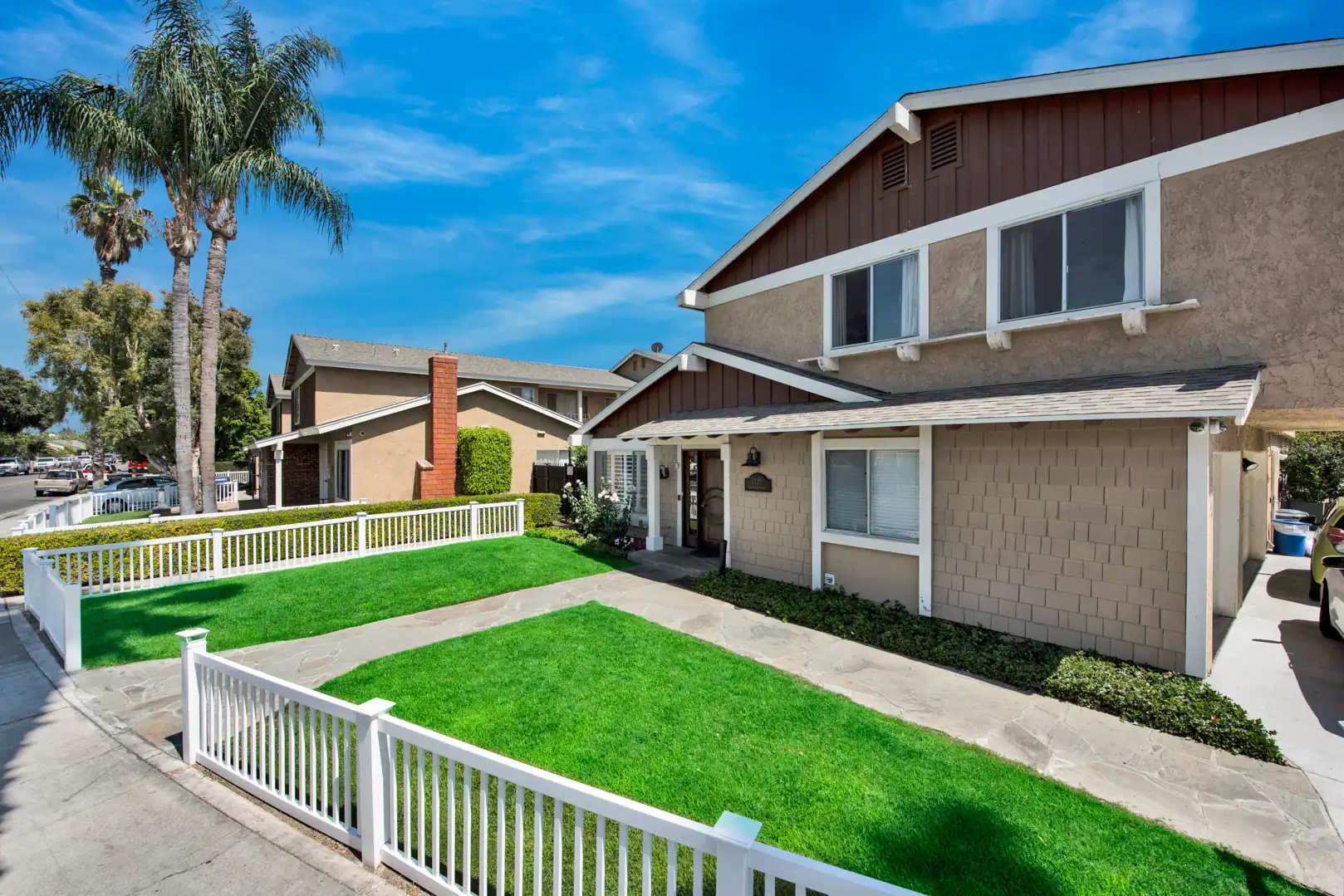
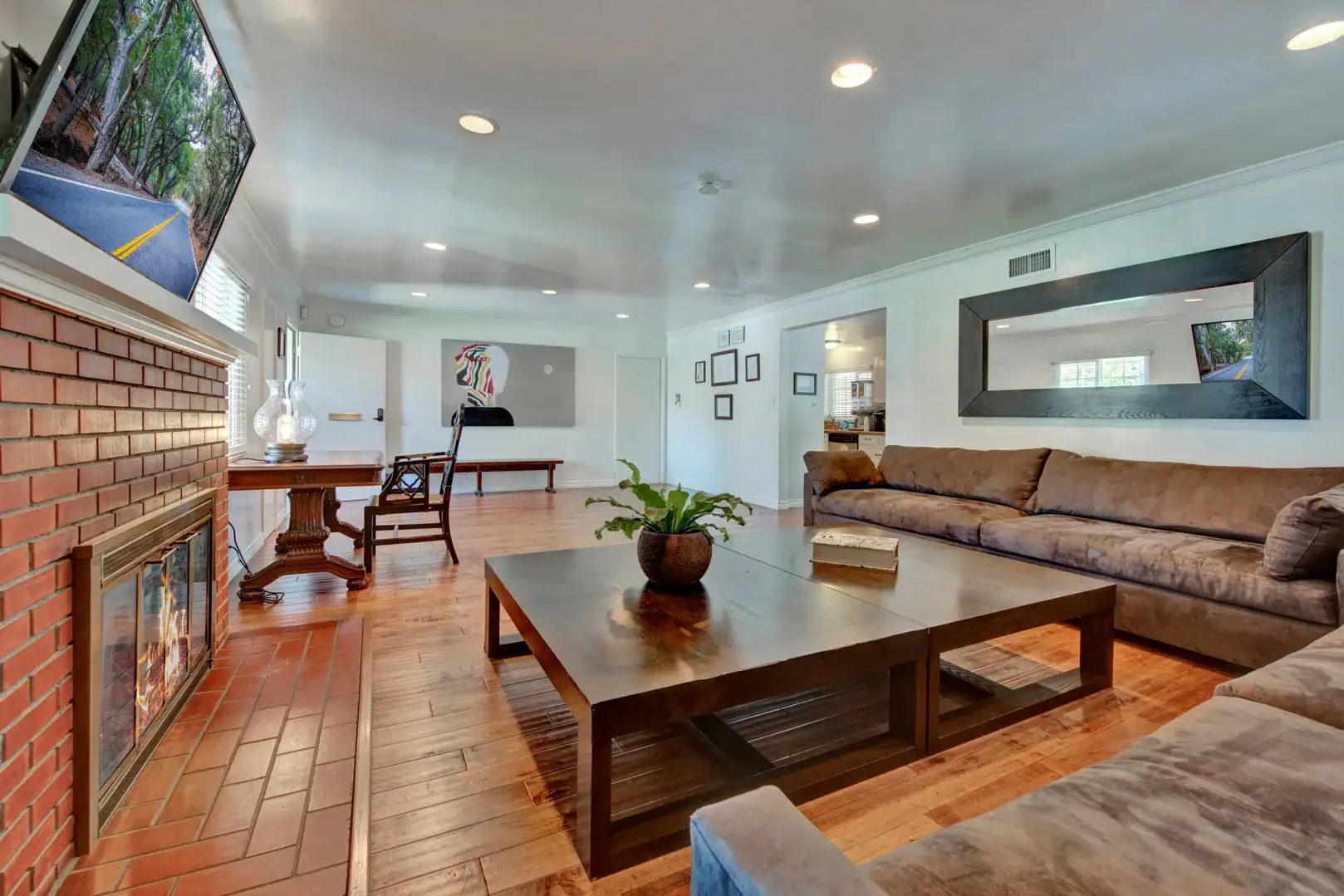
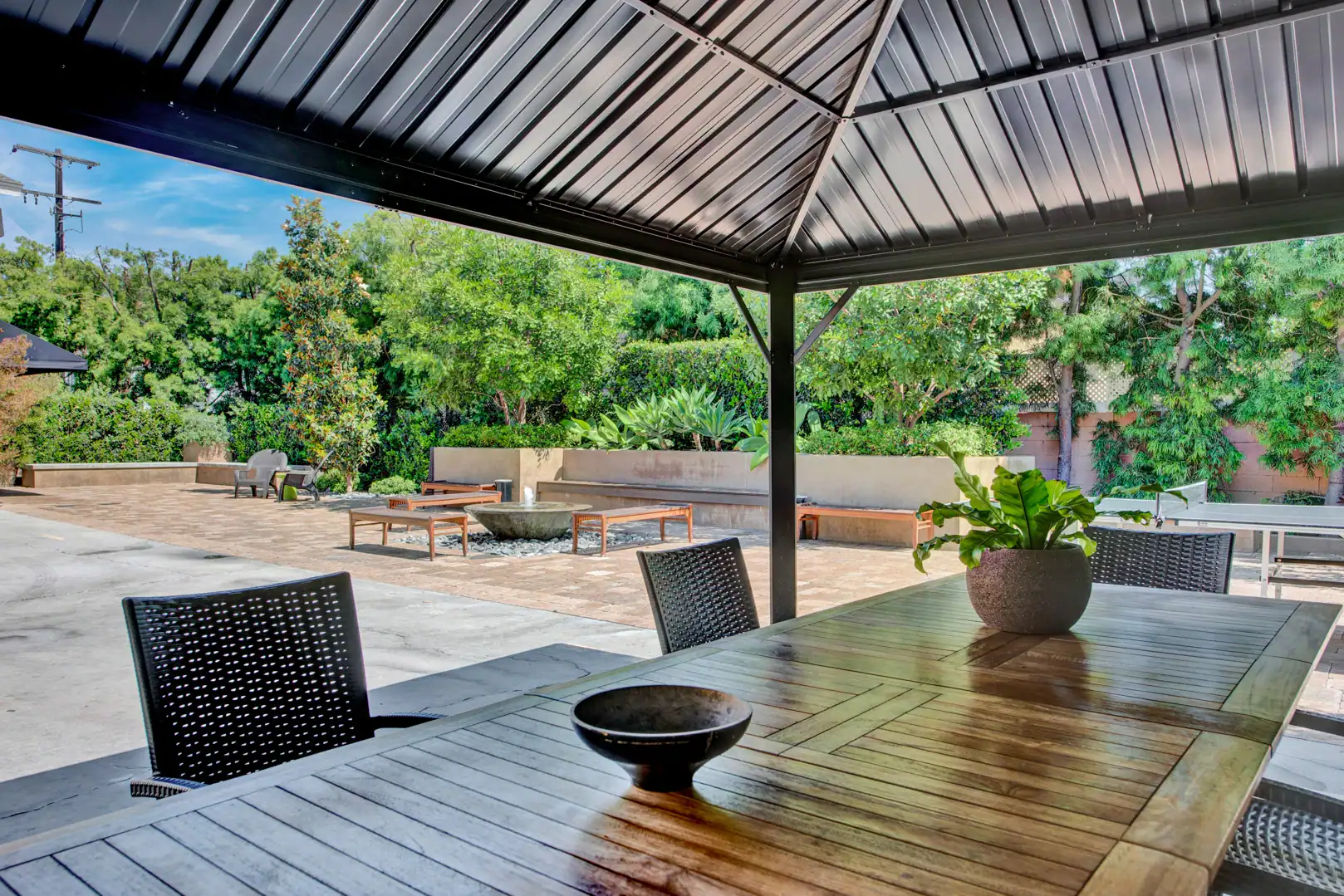
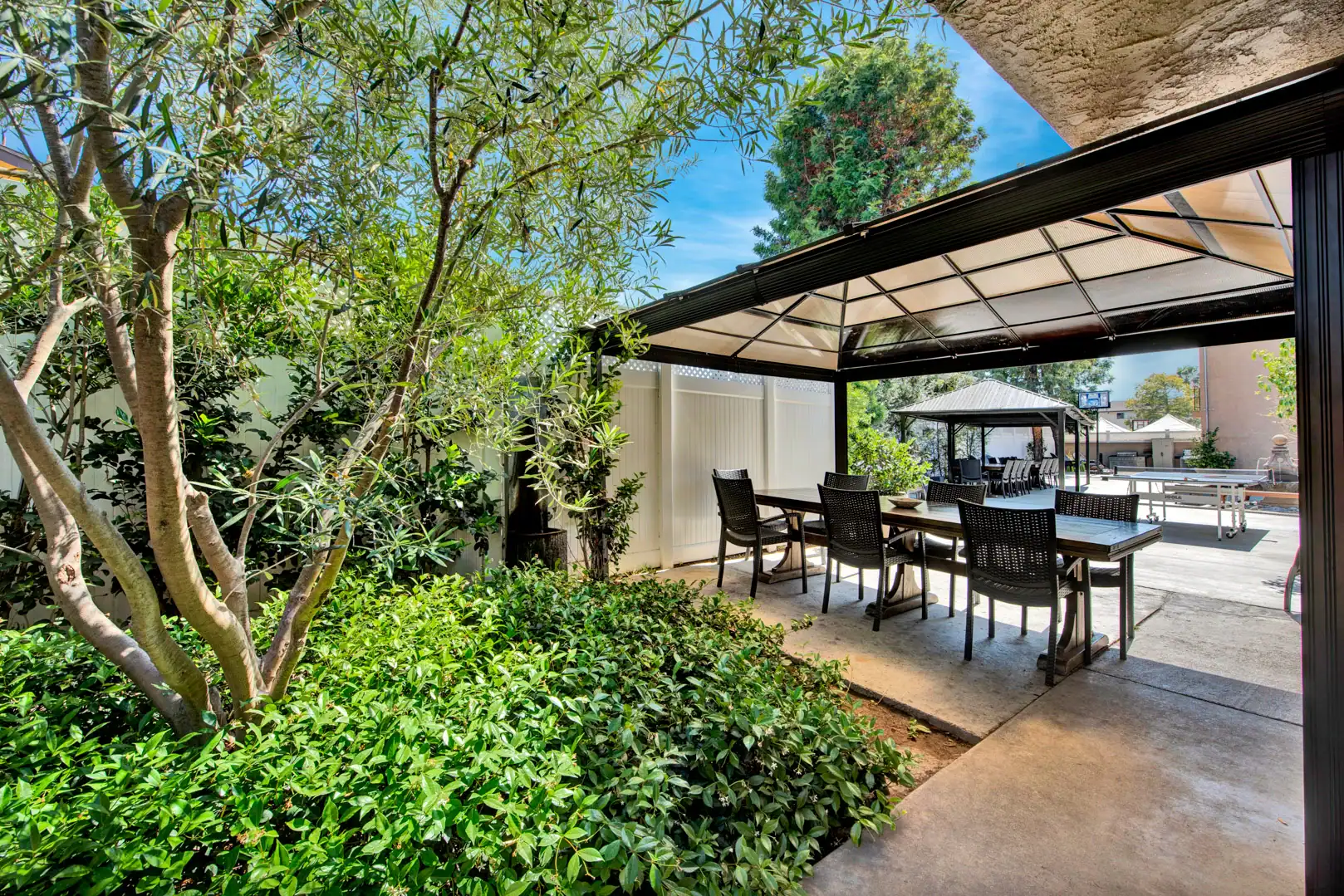
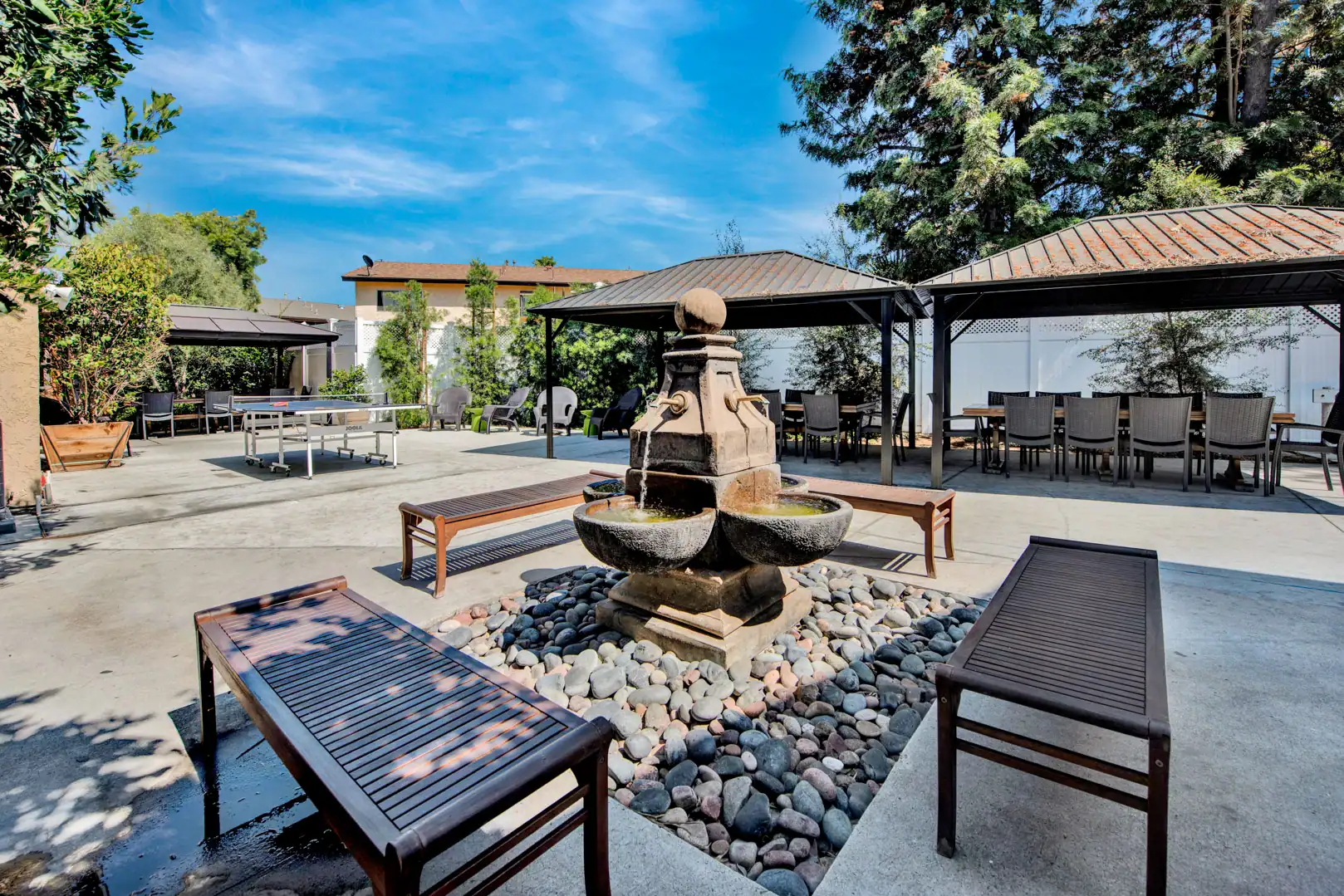
Set in a quiet Anaheim neighborhood, our residential campus is designed to make daily life in treatment feel comfortable, calm, and connected. Bright shared lounges, inviting living spaces, outdoor recreation areas, dining spaces, therapy rooms, and wellness areas give you room to rest, connect, reflect, and reset between programming. The home-like setting creates a softer landing into treatment while the campus layout keeps community close and support within reach.
Each day brings a structured rhythm of individual therapy, clinical groups, psychiatric care, recovery education, life skills, fitness, wellness activities, and peer connection. The result is an environment that helps you settle in, stay engaged, build healthy routines, and focus fully on recovery, shaped by decades of treatment experience.
Comfortable Living Spaces
Laundry Access
Recreation Areas
WiFi & Smart TV’s
Community Lounges
Cell Phone Access
Chef Prepared Meals
GYM & Yoga Classes
Group & Therapy Rooms
“
This was my first time attending a residential treatment center and didn't know what to expect. The staff here is above and beyond wonderful!! From the quality of care by the kitchen staff to every support staff and shift lead I came into contact with!
”
- Clara B.
Residential Treatment gives you the time, safety, structure, and clinical depth to make recovery your full-time focus. Therapy, psychiatric care, recovery education, life skills, wellness, and peer connection help you build stability, stronger coping skills, healthier routines, and real momentum. Transition planning begins early, creating a clear path into PHP, IOP, Sober Living, or continuing care.
Residential Treatment
Typical stay: 30 to 90+ days
Length of stay reflects medical necessity, progress, and individual treatment needs.
Wake-up and accountability check-ins
Breakfast and medication support
Morning clinical groups
Goal setting and recovery focus
Therapy and process groups
Individual therapy or case management
Psychoeducation and relapse prevention
Life skills and personal development
Fitness, wellness, and experiential activities
12-Step meetings and recovery support
Dinner and community time
Peer connection and accountability
Structured downtime and reflection
Alcohol or drug addiction
Repeated relapse or loss of control
Need for focused, immersive treatment
Building coping and recovery skills
Rebuilding stability, purpose, and routine
Preparing for a lasting life in recovery
Let insurance pay for rehab. We accept HMO, PPO, employer plans, and Medi-cal. Check your coverage for treatment fast and easy.


















Complete this secure form to receive a fast response from our support team.
We accept over 30+ insurance types.
Confirm your treatment coverage fast & easy with our online verification system.














