


Alcoholism is a huge problem in many countries. It causes not just health problems, but social and economic ones as well. It affects both the alcohol users and the people living around them.
In the United States, the National Institute on Alcohol Abuse and Alcoholism published a 2019 report from the National Survey on Drug Use and Health (NSDUH) that around 14.5 million people 12 years and older have alcohol use disorder. This is an alarming statistic because it shows that alcoholism is also affecting children and young adults.
It is quite hard to pinpoint a single cause for alcoholism. In practice, there are many factors that lead to heavy drinking and addiction.
According to one theory called the Biopsychosocial Model, there are four categories of things that contribute to addictions: biological, psychological, socio-cultural, and spiritual. Each of these factors has different levels of influence on people. Thus, no one can say that there is only one cause that leads people to consume alcohol excessively.
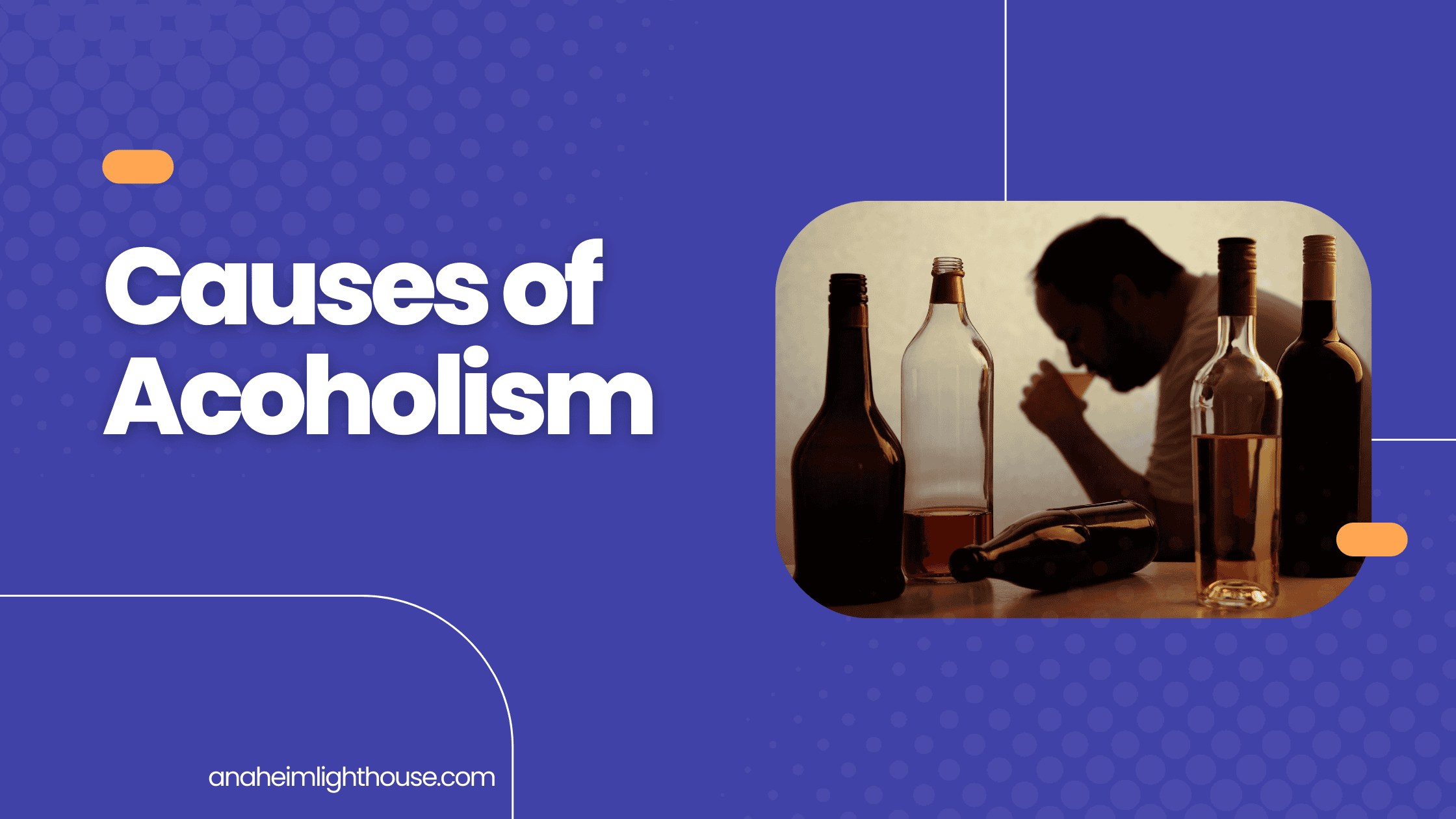
It is always a combination of those factors. For most people, the only thing they can control is their discipline towards drinking alcohol. If you’d like to know more about the different causes of alcoholism, keep reading the article to learn more.
1. Internal Factors
Internal factors are inherent in people, such as genetics, personality, preferences, and impulsiveness. Often, it is hard, if not impossible, for people to change these things. But if they know their own tendencies, they can make better choices with their drinking habits.
2. External Factors
External factors, on the other hand, are those that come from outside the person. These include friends, family members, school, colleagues, religion, and cultural norms. These also play a role in influencing people’s drinking habits. People who have developed drinking at an early age, for example, are often influenced by these external factors.
3. Genetic Factors
Many studies have shown links between people’s genetics and the likelihood of alcohol abuse. Based on the data, people who are genetically predisposed to this addiction have a 40-60% chance of getting it. In other words, if people have a family history of alcoholism, they are more likely to develop the same addiction.
4. Mental Illnesses
Mental illnesses can make people more vulnerable to alcoholism. According to many studies, people who are diagnosed with mental health conditions are more likely to develop alcohol use disorder. Such conditions include:
- Anxiety
- Bipolar disorder
- Personality disorder
- Depression
- Stress
- Dependence on other substances
The studies show that 30-40% of those diagnosed with AUD are also living with depression. Some were diagnosed with depression long before their alcohol abuse started, while others developed it as a side effect of alcoholism. Also, around 60% of abusers experience alcohol-induced mood disorders.
Those with bipolar disorder struggle a lot with alcoholism as well. Based on the data, 50-60% of alcohol abusers are also diagnosed with this mental illness. Aside from that, they also have a higher tendency to abuse other substances.
Some people with anxiety disorders also suffer from alcoholism, but they only account for a little over 19% of people who abuse alcohol. Those with this mental illness are not so vulnerable to this addiction as those with depression and bipolar disorder.
5. Trauma
People who have gone through trauma, especially as children, are much more likely to turn to alcohol and become addicted to it. These events may include sexual abuse, assault, physical abuse, or anything that may scar them for life. These people use alcohol to cope with pain and other negative emotions.
One particular study has shown that if children went through sexual abuse, they are more than 7 times more likely to abuse alcohol later in life.

6. Using Alcohol as a Stress Reliever
Drinking as a form of stress relief may escalate into alcoholism. Most people believe that alcohol is an effective stress reliever. But the truth is they feel “better” after drinking because of the depressant effects of alcohol.
As the substance enters the brain, it triggers a more relaxed state of mind. As a consequence, the body would feel less burnt-out as well. However, these effects may also affect the normal functioning of the brain. Alcohol can make people more likely to get into accidents, fights, and other kinds of trouble.
Despite these side effects, many people still insist that alcohol is a good solution to their problems. If this has become their normal way of coping with stress, they are at a much higher risk of addiction.
7. Peer Pressure
Peer pressure is a major cause of underage alcoholism. The influence of friends is a major factor that contributes to alcoholism. This is especially true for teenagers, as they want to feel that they belong to their peer groups. They feel that if they don’t drink as their friends do, they would be left out.
Because of such peer pressure, underage drinking is now a huge problem. More and more teens these days have become alcohol abusers. And one common cause is hanging out with the wrong crowd.
8. Lack of Education
Less-educated people are more likely to suffer from alcoholism. While people’s educational attainment is not a direct cause of alcohol abuse, it does have an effect. Generally, people who have higher levels of education have smaller chances of abusing alcohol.
According to studies, most people who did not graduate from high school are more than 6 times more likely to develop alcoholism than those who got into college. Also, those who did not finish college are about 3 times more likely to abuse alcohol than those who graduated.
9. Careers
People’s jobs may also correlate with their chances of alcohol addiction. Those in high-stress work environments are more prone to developing this addiction, especially if drinking is the typical stress reliever.
But even if some people are in low-stress jobs, they can also be victims of alcoholism. If their colleagues have drinking habits, they may be drawn to alcohol as well. If their drinking is not moderated, they may soon become alcohol abusers.
10. Spiritual Factors
People’s core values and beliefs also exert a big influence on the tendency for alcohol abuse. For instance, individuals who have a sense of purpose in life generally avoid alcohol or drink only on rare occasions.
In contrast, those who have lost their sense of purpose are more prone to alcohol abuse. This stems from a lack of regard for their own well-being, as they have lost their direction in life.
In some rehab centers for alcoholism, spiritual formation is part of treatment. Teaching people to develop good values helps in the recovery process. Spiritual exercises such as prayer, forgiveness, and other activities also allow patients to form habits that replace their desire for alcohol.

Treatment for Alcohol Abuse and Addiction
The Diagnostic and Statistical Manual of Mental Disorders have consolidated alcohol abuse and dependence into one disorder referred to as Alcohol Use Disorder (AUD), which is further divided into mild, moderate, or severe categories. While this condition is very challenging to treat, the good news is that recovery is possible.
There are many proven addiction treatment programs available, such as detoxification and rehabilitation, that can help alcohol abusers overcome their alcohol addiction and accompanying withdrawal symptoms. A holistic recovery program also includes counseling, support group participation, and other complementary treatments can help people achieve long term sobriety.































