


It is not uncommon for people with bipolar disorder to also suffer from addiction. In fact, research shows that as many as 61% of people with bipolar disorder also have a history of addiction. The most common addictions among people with bipolar disorder are alcohol and drugs.
In this article, we will take a closer look at bipolar disorder and addiction, and how the two conditions affect each other. We will also explore the treatment options available for people who suffer from both bipolar disorder and addiction.
What is Bipolar Disorder?
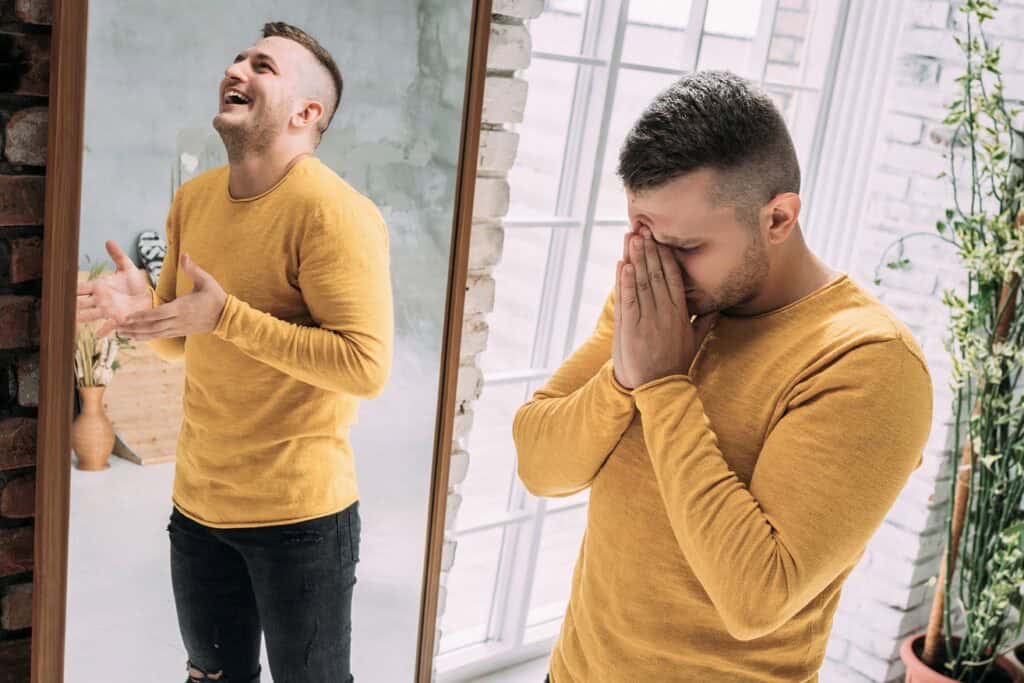
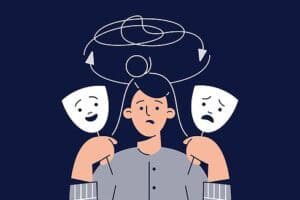
Bipolar disorder, also known as manic depression, is a mental condition that causes sudden shifts in mood. The person suffering from bipolar disorder may experience extreme highs (mania) and lows (depression).
The shift in moods is unpredictable, so there are instances when the person is confused about what mood is being felt at the moment. Based on clinical studies, there are four types of bipolar disorders: Bipolar I Disorder, Bipolar II Disorder, Cyclothymia, and other forms.
Many people with bipolar disorder also struggle with other mental disorders such as anxiety, stress, and depression. A lot of times, these conditions are left untreated because the person is not aware that they have bipolar disorder in the first place.
Linking Bipolar Disorder and Addiction
Two things can happen with bipolar disorder and addiction: when the person has bipolar disorder before they became addicted, or when the addiction caused the bipolar disorder.
There is a high risk for people who have bipolar disorder to become addicted because they cannot always control their moods. People with bipolar disorder often self-medicate or drink alcohol to ease their unstable behavior.
Meanwhile, abusing substances or alcohol can disrupt the normal functioning of the brain. This, in turn, affects the stability of the patient’s mood and behavior which leads to co-occurring mental disorders like bipolar disorder.
A lot of times, however, it’s very difficult to exactly pinpoint which came first: the addiction or the bipolar disorder. It is important to seek professional help to get an accurate diagnosis and treatment plan.
Triggers of Bipolar Disorder
Several things can trigger a mood shift. People with bipolar disorder need to be aware of these triggers and take steps to avoid them or deal with them positively. The top triggers are listed below.
- Traumatic past experiences
- Lack of sleep
- Substance addiction
- Alcoholism
- Weather mood disorder: There is no scientific evidence yet to show a solid relationship between moods and weather. For instance, during the rainy season or in winter, people tend to have a gloomy mood, whereas, a happy feeling is felt during the summer or spring.
- A change in body hormones is frequently applicable to women as their menstrual cycle starts.
- Setting a goal and the possibility of not getting it will cause a sudden shift in mood.
Observable Symptoms of Bipolar Disorder
The most common symptom of bipolar disorder is an unusual change in mood. Some common symptoms are listed below:
Five Signs of a Manic Episode:
- Higher chance of doing unhealthy behaviors like drinking, abusing drugs, or smoking
- Very sensitive and easily irritated
- Feeling of highness
- Intense level of energy
- Cannot think straight because a lot of things run in the person’s head
Five Signs of Depressive Episode:
- Spacing out
- A hollow or empty feeling inside
- Difficulty sleeping
- Suicidal attempts and thoughts
- Lack of enthusiasm
Coping Strategies for Bipolar Disorder
There are plenty of variables that can affect the recovery of any patient from bipolar disorder. Here are some practical tips so one can efficiently cope with this mental condition.
- Living a balanced and healthy life – Getting enough sleep, having a healthy diet, and regular exercise can help stabilize the mood.
- Avoiding triggers – As much as possible, stay away from anything that can trigger a sudden change in mood.
- Staying positive and optimistic – A positive outlook in life helps reduce stress levels. It can also prevent the occurrence of depressive episodes.
- Practicing friendly and open communication with family and others – Discussing openly the condition can help ease anxiety and prevent any misunderstanding.
- Joining a support group – Being with people who understand what you are going through can provide encouragement and motivation.
- Practicing Self-Awareness – Knowing your triggers, symptoms, and early warning signs can help you manage the condition better.
Treatment Options for Addiction and Bipolar Disorder
Addiction and bipolar disorder are both serious mental health conditions that can have a profound impact on a person’s life. While there are many similarities between the two disorders, they also have some important differences. As a result, it is often necessary to seek out dual diagnosis treatment to effectively address both conditions.
Dual diagnosis treatment is designed to provide comprehensive care for patients who are struggling with both addiction and bipolar disorder.
This type of treatment usually involves a combination of medication, therapy, and support groups. Dual diagnosis treatment facilities typically have staff members who are specifically trained to deal with the unique challenges of these disorders.
By seeking out a dual diagnosis treatment facility, patients can receive the specialized care they need to recover from their illnesses and live healthy, productive lives.































